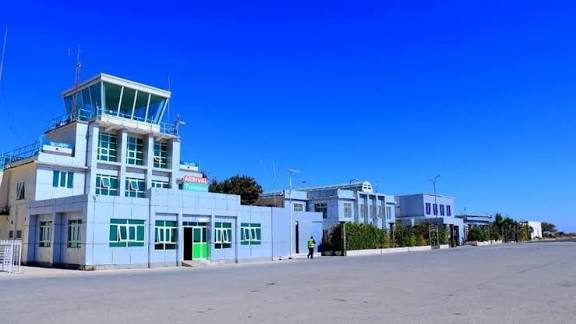
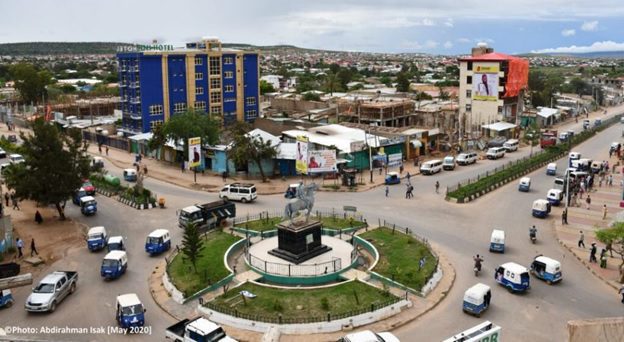
As our plane descended toward Jigjiga, the regional capital of Ethiopia’s Somali Region, I felt a wave of excitement. I had heard so much about the Somali Region: its proud pastoral heritage, the security challenges it has faced and overcome, and its journey toward stability.
During my stay, I engaged with regional leadership and gained insight into the current direction of the Region. What stood out most was the sense of clarity and ownership they have around the region’s future and their emphasis on sustaining the peace achieved after years of instability. The region has lived through fighting, displacement, and uncertainty. That chapter is giving way to something far more hopeful – progress. In this blog, I’m sharing the progress I saw.
Table of Contents
Bilcil buur
Thirty kilometers. On a map, it is a modest distance. But for the communities of Bilcil buur, that stretch of road means the difference between isolation and connection, between vulnerability and survival.
Before the road was built, the district had no reliable link to the outside world. Reaching the main road meant hours on foot, through difficult terrain. The consequences were not merely inconvenient; they were fatal. One local resident described it plainly: people died. Not from lack of care or neglect by their families, but simply because there was no road to bring them to a hospital in time. A difficult birth, a sudden illness, a serious injury; any of these could become a death sentence when the nearest medical facility was hours away on foot.
Today, that reality has changed. The road built through the Lowland Livelihood Resilience Project (LLRP), has made trade possible, services accessible, and most importantly, it has given people the assurance that if something goes wrong, help can reach them. This is resilience-building, woven into the fabric of an entire community, changing what is possible for everyone who lives there.
One voice stayed with me long after I left. Her name is Mariam, my namesake, a mother of six, who has known hard work her entire life. She stood beside a new water point for livestock, also built through LLRP, and told me:
“I used to walk with my goats for two to three days before this was built,” she said. “Now it only takes me two hours. I have time to do so much more, and my children are now in school. They don’t have to spend their time looking for water anymore.”
Hardship
Before the water point, her days were consumed by a single task, finding water, and her children’s lives were shaped by the same burden. School was not an option when survival demanded otherwise. Time was not hers to use as she chose. Now it is. And with it has come dignity, agency, and the possibility of a different future for her children.
Her words captured what development, at its best, is actually about. Not just infrastructure laid on the ground, but the hours returned to a mother’s day, the classroom seat filled by a child who might otherwise have spent years walking to water, and the lives that continue rather than end because a road or a water point arrived in time.
Degahbur
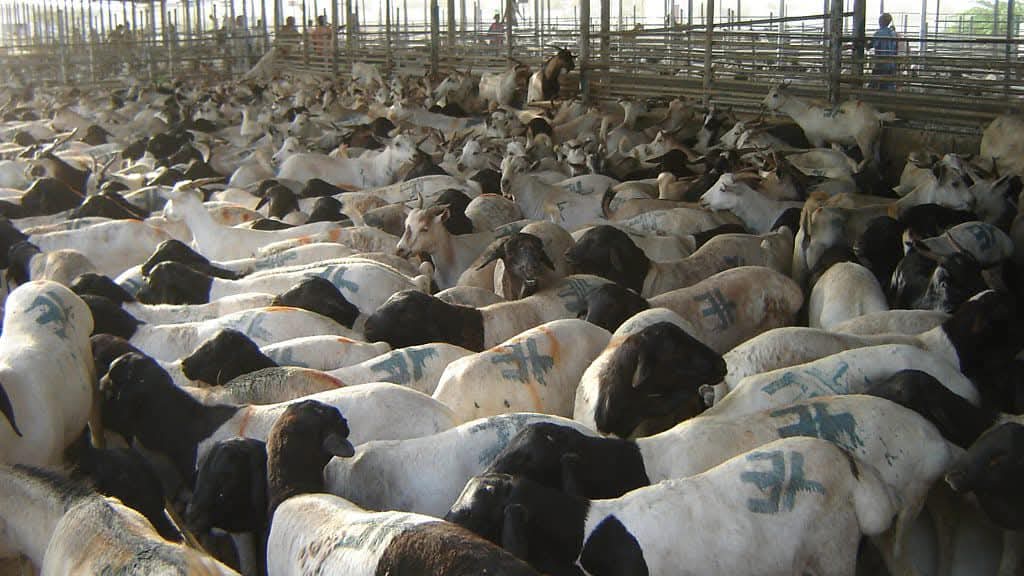
My journey also took me to visit the Degahbur Livestock Collection and Forage Market Center, supported by the DRIVE Project. The center represents a long-anticipated investment in a core livelihood system for the Somali Region. Its presence reflects both the scale of the livestock economy and the need to support it with reliable infrastructure.
Livestock is identity, wealth, and the backbone of how families in this region sustain themselves across generations. For years, herders and traders operated without reliable animal health systems, structured collection facilities, or organized forage markets. This center begins to answer all of that.
While at the facilities, I spoke with a livestock trader who has been in this business for decades, seen the region through its difficult years, and kept going. He talked to me about what comes next: bigger markets, healthier animals fetching better prices, reliable access to forage, and the ability to finally plan for the future rather than just react to it. That shift in mindset, from survival to possibility, is itself a measure of progress.
Banking
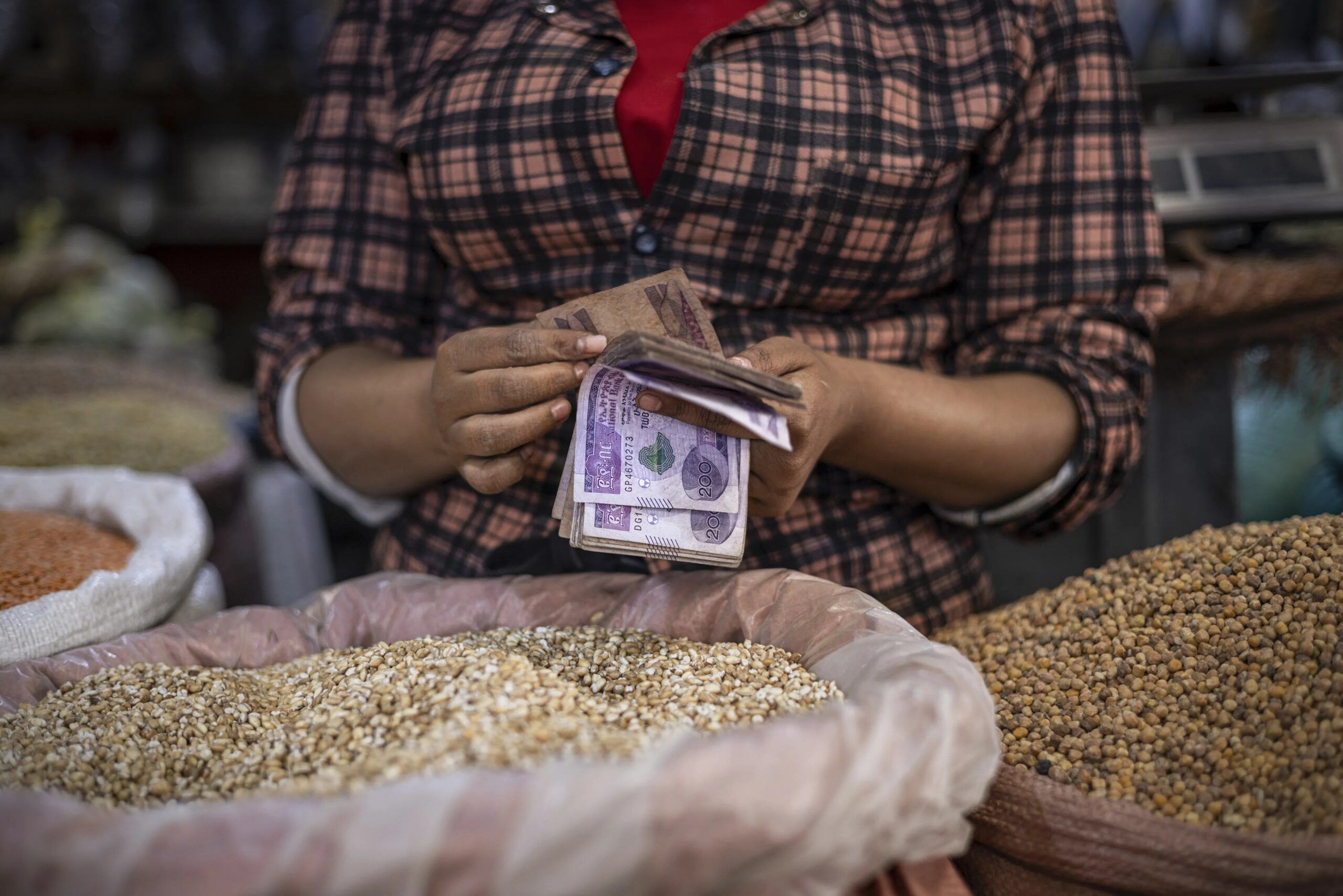
We also stopped at a local bank and found a group of women collecting livestock insurance pay-outs, another component of the DRIVE Project. In a region where drought can arrive without warning and erase years of hard work overnight, that moment carried real weight. The DRIVE Project’s insurance mechanism ensures that when the worst happens, herders do not have to start from nothing. For these women, the payout in their hands was money but also it was security, continuity, and the assurance that their livelihoods were protected. What struck me was not the transaction itself, but the calm on their faces. Development, at its most effective, looks exactly like that.
The World Bank’s role in the Somali Region is to keep showing up, a steady partner in a journey that belongs, above all, to the people making it. I left with their faces and stories etched in my mind, and a renewed appreciation for what development looks like when it is grounded in real lives, real peace, and real change.
Maryam Salim