

Transit movements through Bossaso towards Yemen almost tripled (+189%) between the first quarter of 2025 (6,400 movements) and the first quarter of 2026 (18,600), exceeding the previous peak of 17,900 movements recorded in the last quarter of 2024, according to IOM’s Migration Along the Eastern Route Report 63, published 12 August 2026.
The shift is a direct consequence of route disruption. Ethiopian authority deployments along key migration corridors and a reported military presence near the Galafi–Yoboki crossing in February pushed migrants away from the main Djibouti route.
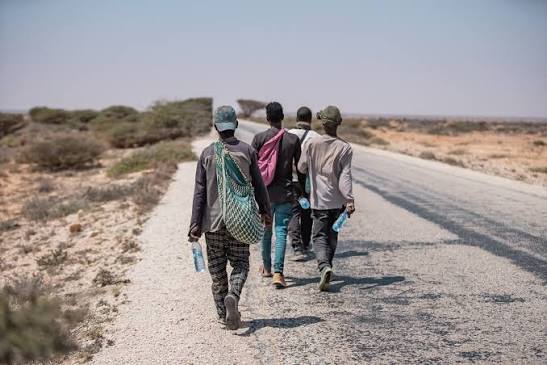
Exits from Ethiopia fell 22% year-on-year, from 65,200 to 50,600. Transit through Djibouti’s Obock coast dropped 15%, further influenced by heightened security around Djibouti’s 2026 presidential campaign period.
Smuggling networks filled the gap. The report states that networks linking Borama, Wajaale, Hargeisa, Berbera, Burao, and Erigavo to Bossaso continued to operate and reportedly expanded their activities.
Migrants moved toward Bossaso despite documented risks of detention and deportation, reflecting what the report describes as sustained and unconditional demand for onward movement to Saudi Arabia.
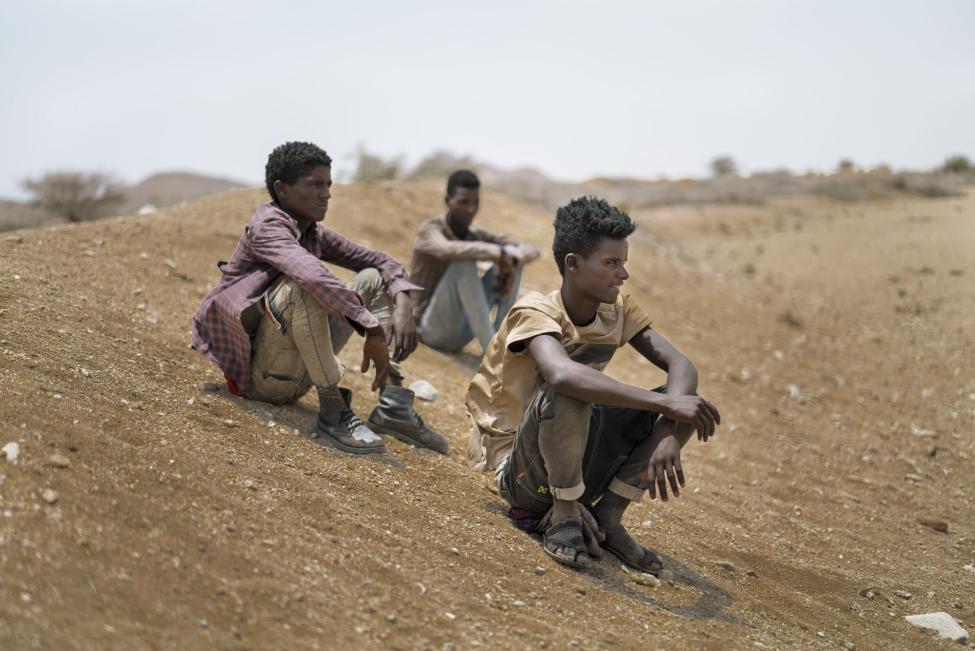
The humanitarian fallout is severe. Stranded migrants in Somalia nearly tripled from 2,649 in March 2025 to 7,760 in March 2026. Women stranded rose from 770 to 2,400; children from 142 to 2,180.
Approximately 2,200 unaccompanied children in Bossaso faced heightened risks of exploitation, violence, and prolonged stranding due to limited child protection capacity. Trafficking, ransom demands, document confiscation, and labour exploitation were all reported, according to the IOM.
Looking ahead, the report warns conditions are unlikely to improve. El Niño forecasts and a positive Indian Ocean Dipole may bring flooding across Ethiopia and Somalia in the second half of 2026, disrupting transit networks further.
The report noted that the diplomatic tensions between Ethiopia and Eritrea compounded by Eritrea’s withdrawal from IGAD in December 2025 add uncertainty to migration hotspots along the northern corridor. As long as economic drivers remain unchanged, the report concludes, migration volumes will stay high regardless of which route migrants take or what dangers they face along the way.