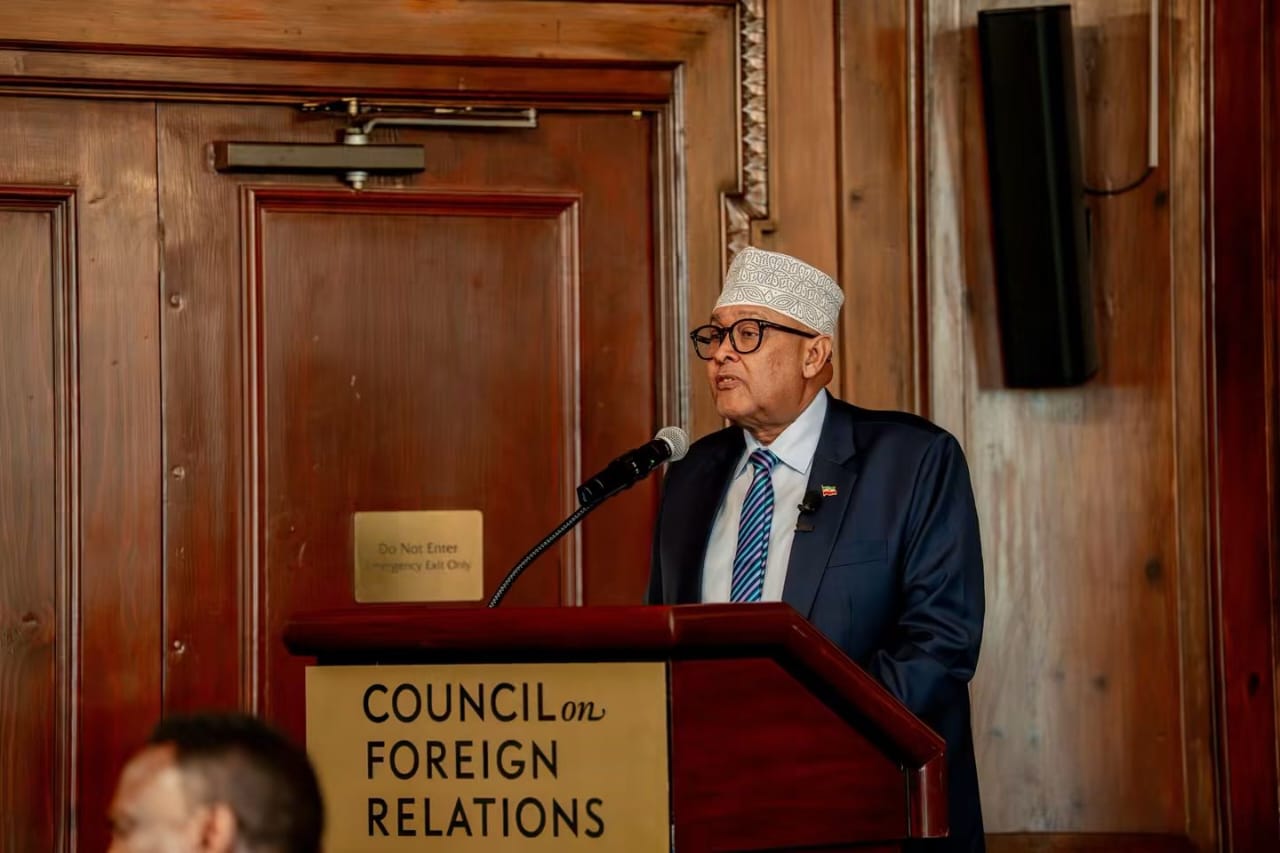
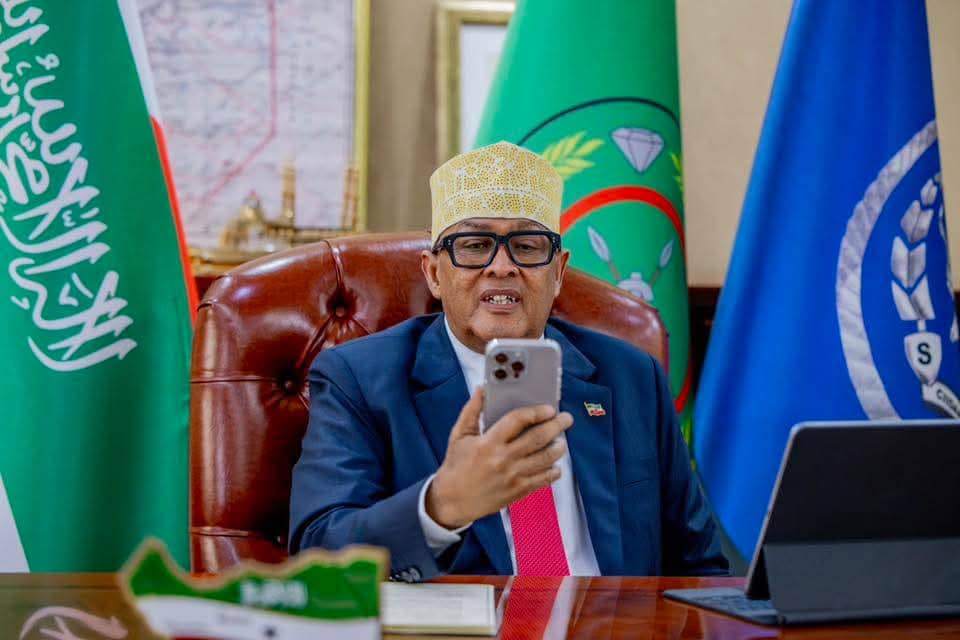
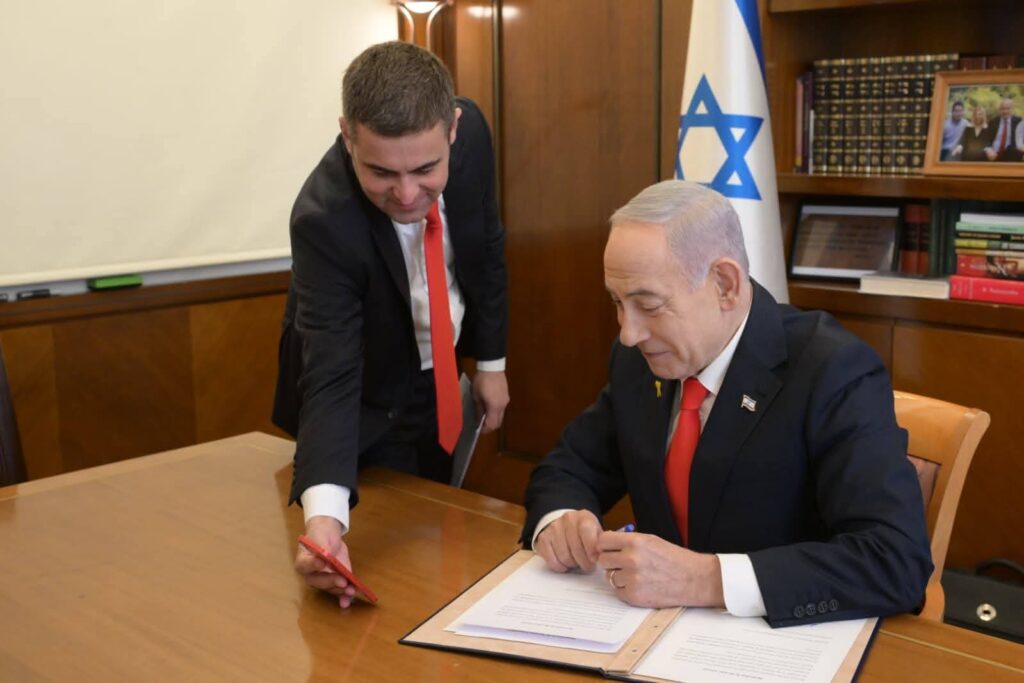
In international politics, principles are not always rewarded, and failure is not always punished. Stability is sometimes ignored, while chaos is accommodated. This reality is clearly reflected in the case of the Republic of Somaliland, which, after more than three decades of state-building, found itself forced to seek international recognition outside the Arab and Islamic framework, until Israel’s recognition finally broke the long-standing wall of silence.
Israel’s recognition of Somaliland is not an isolated event. It is the result of a long process of political patience, institutional development, and independent decision-making. It has also exposed, with striking clarity, the contradictions in the positions of many regional actors who speak of sovereignty while practicing politics purely through the lens of interest.
Table of Contents
Somaliland is not a “Breakaway Region”
One of the most persistent misconceptions in Arab and international media is labelling Somaliland as a “secessionist region.” This description ignores historical and legal facts.
Somaliland was an independent, sovereign state on 26 June 1960, internationally recognized, before voluntarily uniting with the former Italian Somalia on 1 July 1960 to form the Somali Republic. This union was not imposed by force; it was a political choice driven by the dream of Greater Somali unity.
That union failed catastrophically. It evolved into authoritarian rule, civil war, and the complete collapse of the Somali state in 1991. When Somaliland declared the restoration of its independence that same year, it was not creating a new entity, but returning to its previous legal and political status.
From this perspective, Somaliland’s demand for recognition is not a challenge to international legitimacy, but a correction of a historical and political failure.
Thirty four years of stability without reward
Since 1991, Somaliland has built a functioning state: Constitutional institutions, multiparty electoral system, local, parliamentary and presidential elections, Peaceful transfers of power, internal security and relative stability and social cohesion in a volatile region
All of this was achieved without foreign troops, without massive international aid, and without international trusteeship.
Meanwhile, Somalia has remained plagued by fragility, conflict, external intervention, and extremist violence, yet continues to receive full international recognition and substantial financial support. This contradiction raises an uncomfortable question for the international community: Has stability and democracy ceased to be criteria for recognition?
Israel’s Recognition: A Realist, Not Emotional, Decision
Israel’s recognition of Somaliland should be understood through the lens of political realism.
Like any state, Israel acts according to strategic interests. In Somaliland, it saw a stable political entity, government capable of independent decision-making and strategically important location along the Red Sea and Gulf of Aden
This recognition carries no moral or ideological symbolism; it is a purely political decision. The irony is that several Arab and Islamic states that maintain official or unofficial relations with Israel rushed to condemn Somaliland, rather than reassess their own positions.
Arab and Islamic Double Standards
The contradiction in regional reactions is difficult to ignore. States that maintain full diplomatic relations with Israel, or engage in security and economic cooperation, have strongly opposed Somaliland’s decision to pursue its national interest.
If normalization is acceptable when it serves the interests of powerful states, why is it condemned when a small and marginalized nation seeks survival and recognition?
This is not a defence of Israel, but a call for consistency and respect for the sovereign choices of peoples.
Independent Political Decision-Making in Hargeisa
One of Somaliland’s strongest attributes is its independent political will. Its relations with Taiwan in the past, and now with Israel, were not the result of external pressure, but of a clear understanding that waiting indefinitely has yielded nothing.
President Abdirahman Mohamed Abdillahi made international recognition a national priority and pursued it with pragmatism and restraint, avoiding populist rhetoric and unnecessary escalation. Within a short period, Somaliland achieved its first formal international recognition—an undeniable diplomatic breakthrough, even for critics.
An Economically Constrained but Patient People
The real cost of non-recognition is borne by ordinary citizens in Somaliland. The absence of recognition means: limited access to international loans, weak foreign investment, high unemployment and restricted development opportunities
Despite these hardships, Somaliland has not collapsed, nor has it exported instability, migration crises, or terrorism. Instead, it chose patience and internal development.
Good Neighbourliness instead of exporting crises
Unlike many unrecognized or fragile entities, Somaliland has not sought confrontation. It has pursued policies of good neighbourliness, economic cooperation, and dialogue—even with Somalia itself. This political maturity deserves acknowledgment and engagement, not permanent marginalization.
Conclusion
Israel’s recognition of Somaliland is not the end of the journey, but it is a decisive crack in the wall of international neglect. It sends a clear message: recognition is not granted by slogans, but earned through reality.
Somaliland exists as a state in practice—with its people, institutions, and stability. The real question today is not why Israel recognized Somaliland, but rather:
Why did everyone else wait for so long?
By: Abdikarim Ali Baarjeeh
Aviation Consultant and Writer
https://edition.cnn.com/2025/12/26/africa/israel-recognizes-somaliland-latam-intl