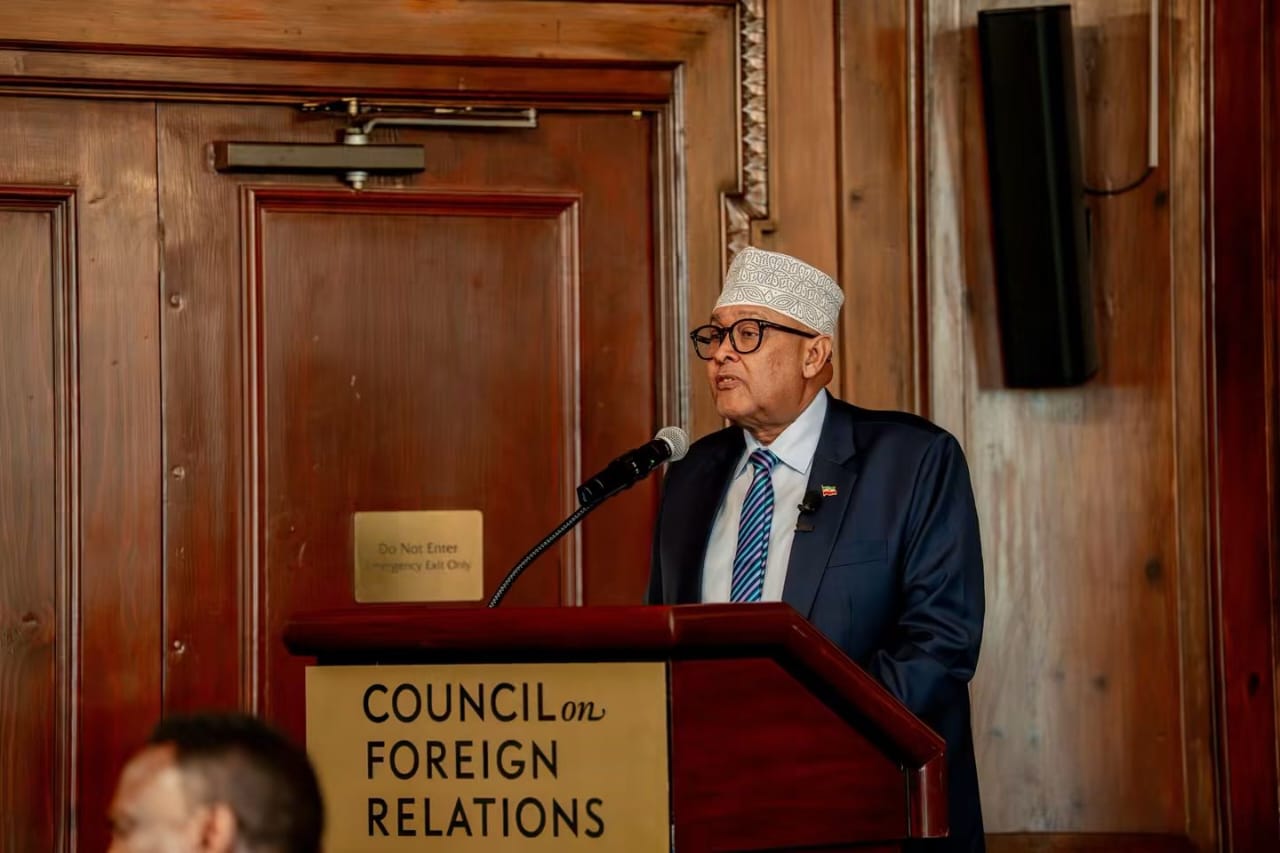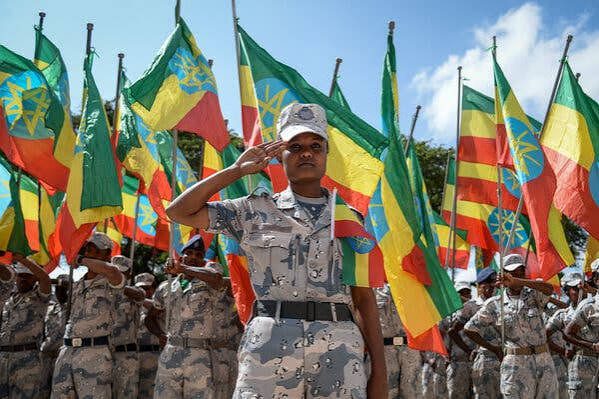
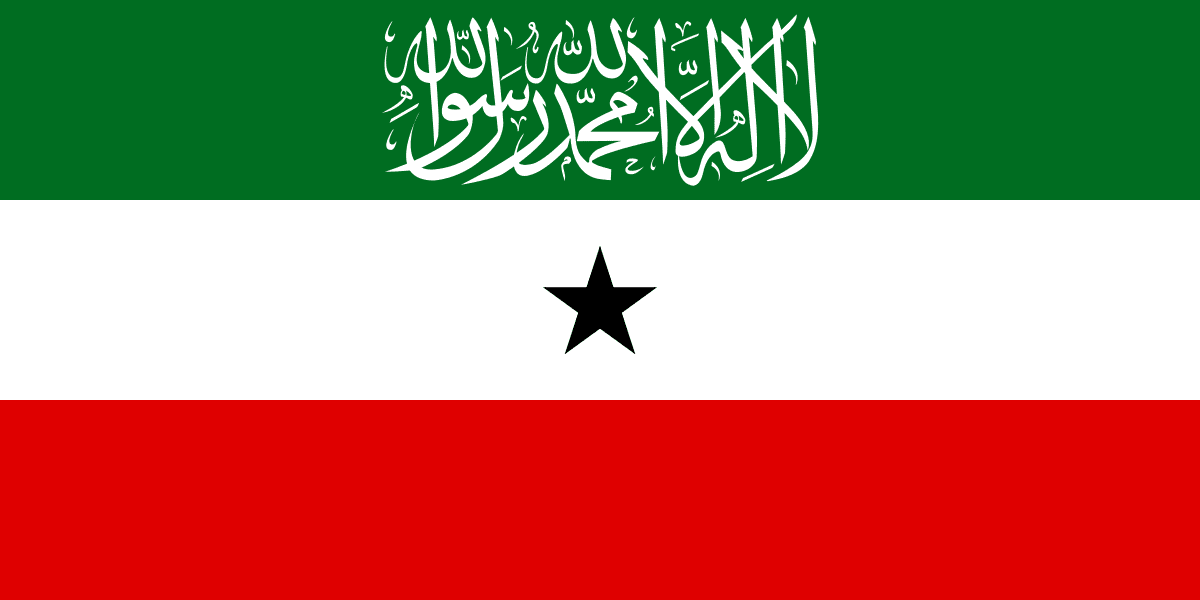
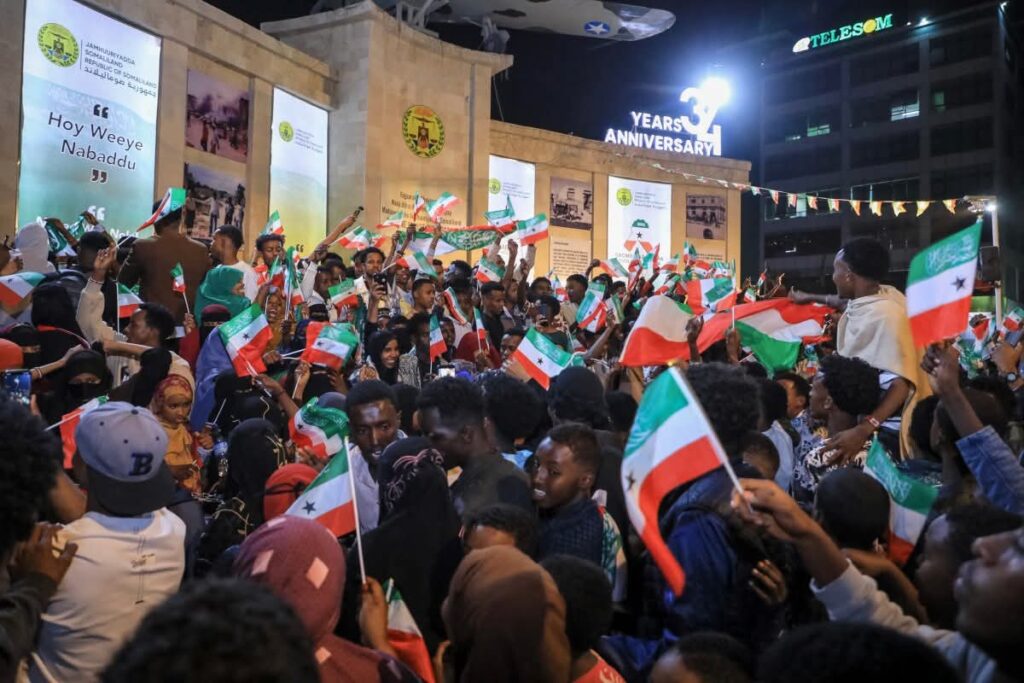
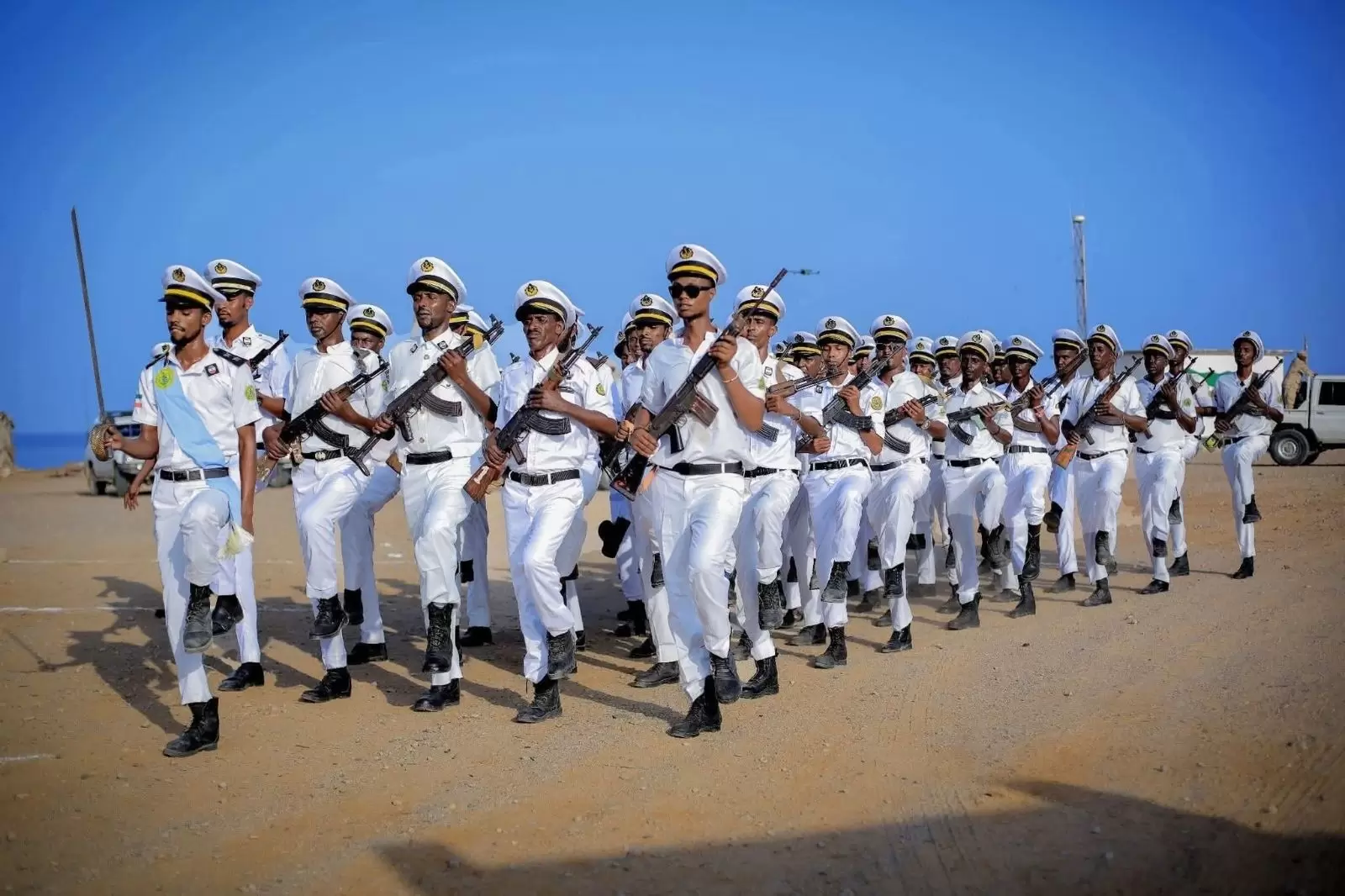
Every year on 18 May, the people of Somaliland celebrate the restoration of their independence with enormous pride, patriotism, and national unity. Across the country and throughout the diaspora, Somalilanders gather in streets, homes, stadiums, public squares, and community centres to commemorate one of the most important days in their history.
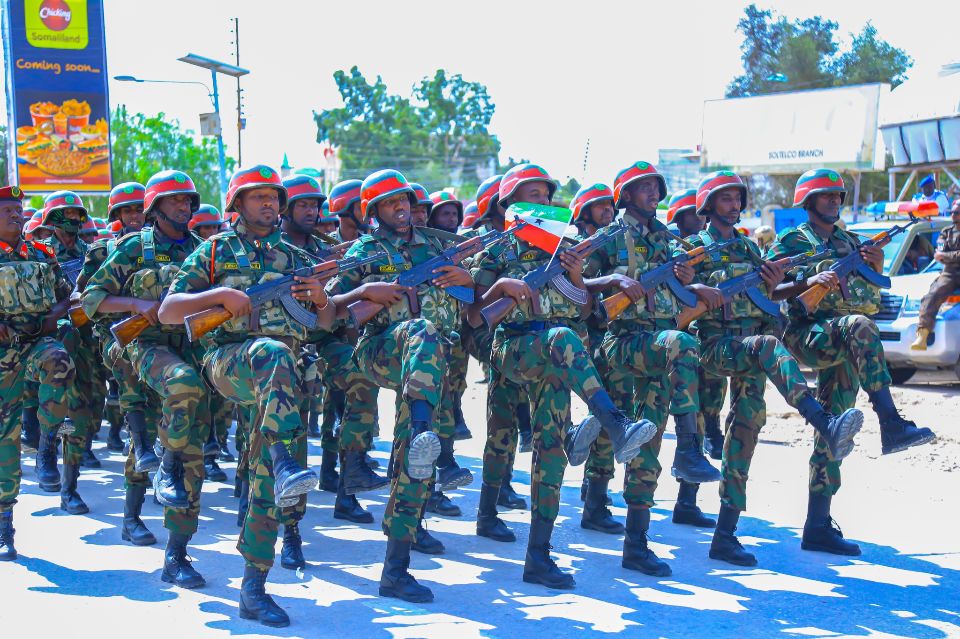
From Hargeisa to Berbera, Burao, Borama, Erigavo, and other major cities, the atmosphere is filled with national songs, cultural performances, patriotic marches, and public celebrations. The Somaliland flag is displayed proudly on homes, businesses, vehicles, and government buildings. Children, youth, elders, women, and members of the diaspora all participate in the celebrations, reflecting a deep emotional attachment to Somaliland’s identity, sacrifices, and independence.
Table of Contents
18 May celebrations
The annual 18 May celebrations are not merely political events. They symbolise resilience, survival, sacrifice, unity, and the determination of a people who rebuilt their nation from destruction and conflict.
This year carries even greater historical significance. For the first time, Somaliland celebrates 18 May following its recognition by Israel on 25 December 2025. For many Somalilanders, this moment represents not only a diplomatic milestone, but also international acknowledgment of Somaliland’s long journey toward peace, democracy, and statehood.
A historical journey of independence and struggle
Somaliland first gained independence from the United Kingdom on 26 June 1960 as the independent State of Somaliland. It became one of the first African territories to achieve independence during the decolonisation era.
Only five days later, on 1 July 1960, Somaliland voluntarily united with the former Italian Somalia to form the Somali Republic. The union was driven by the dream of Somali unity and brotherhood. However, over time, many Somalilanders felt politically marginalised and economically excluded as power became increasingly centralised in the south.
During the military regime of Siad Barre, Somaliland experienced severe repression, destruction, and mass atrocities, especially during the 1980s. Major cities such as Hargeisa and Burao were heavily bombarded, thousands of civilians were killed, and countless families were displaced.
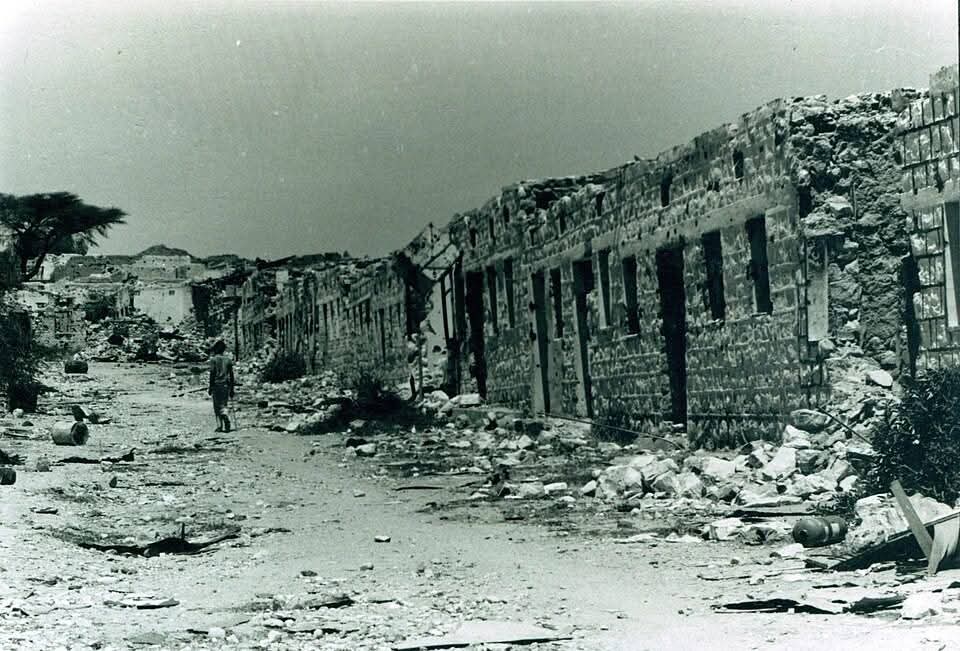
Following the collapse of the Somali government in 1991, Somaliland withdrew from the failed union and restored the sovereignty it had briefly enjoyed in 1960.
Building peace through local reconciliation
One of Somaliland’s greatest achievements is that it built peace internally without foreign military intervention, African Union peacekeepers, or extensive international funding. Traditional elders, intellectuals, women, business leaders, and local communities worked together to reconcile clans and establish a system of governance rooted in both modern democracy and traditional conflict resolution.
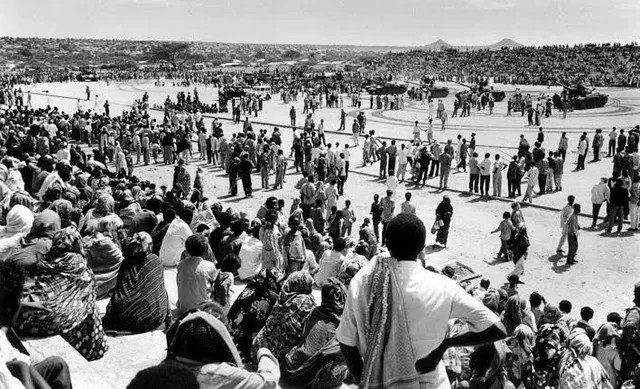
This locally driven peacebuilding process created the foundation for a stable political system that continues to function today.
While many countries in the region struggled with civil wars, military coups, and institutional collapse, Somaliland focused on reconciliation, institution-building, public trust, and security.
A beacon of democracy in Africa
In a region often associated with instability and political uncertainty, Somaliland has emerged as one of the most stable and democratic territories in Africa despite limited international recognition for more than three decades.
Since reclaiming its independence, Somaliland has organised multiple competitive and peaceful elections:
- Local council elections – 15 December 2002
- Presidential election – 14 April 2003
- House of Representatives election – 29 September 2005
- Presidential election – 26 June 2010
- Local council elections – 28 November 2012
- Presidential election – 13 November 2017
- Parliamentary and local council elections – 31 May 2021
- Presidential election – 13 November 2024
These elections demonstrated political maturity, public participation, and institutional development.
In the 2003 presidential election, Dahir Rayale Kahin was elected president in one of the closest elections in African political history. The result was accepted peacefully through constitutional and legal channels, strengthening public confidence in Somaliland’s democratic system.
In 2010, Ahmed Mohamed Mohamoud Silanyo won the presidential election and assumed office peacefully from the outgoing administration. His victory marked another important democratic transition.
In 2017, Muse Bihi Abdi was elected president following another competitive election observed by international monitors and regional observers.
Most recently, in the 2024 presidential election, Abdirahman Mohamed Abdillahi was elected president, continuing Somaliland’s tradition of constitutional governance and peaceful transfer of power.
Six presidents have transferred authority peacefully, reinforcing a democratic culture that remains rare in many parts of Africa and the Horn of Africa region.
Somaliland has proven that democracy can grow and succeed in Africa when local ownership, accountability, dialogue, and public participation are respected.
Somaliland’s strategic geographic importance
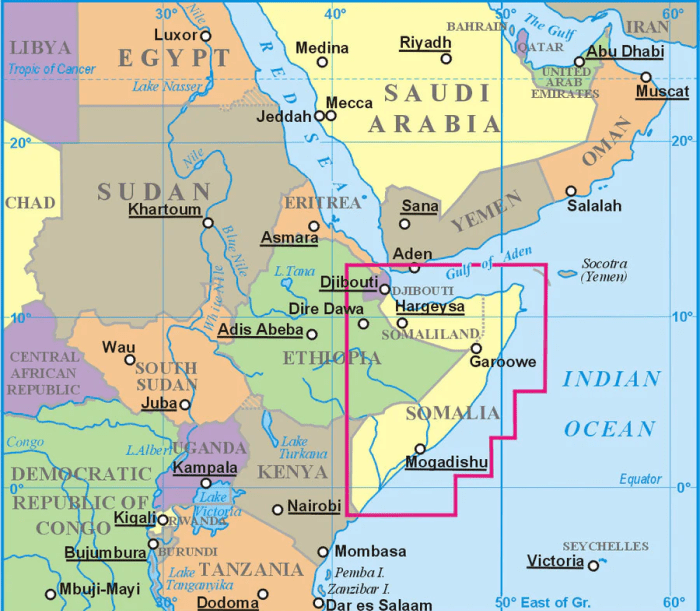
Somaliland’s strategic location makes it one of the most important territories in the Horn of Africa.
Located along the Gulf of Aden, Somaliland sits near one of the busiest maritime trade routes in the world connecting Europe, the Middle East, Asia, and Africa. Thousands of ships pass near Somaliland’s coastline every year through routes linked to the Red Sea and the Suez Canal.
The deep-water Port of Berbera is increasingly becoming a major regional trade hub. Berbera provides an important gateway for Ethiopia, one of Africa’s largest and fastest-growing economies.
The expansion of Berbera Port, transport corridors, and logistics infrastructure positions Somaliland as a future centre for trade, shipping, aviation, energy, and regional connectivity.
Geopolitically, Somaliland occupies a highly strategic area near the Bab el-Mandeb Strait, one of the world’s most important maritime chokepoints for global trade and energy transportation. As international competition increases in the Red Sea and Horn of Africa region, Somaliland’s stability becomes even more important.
Natural resources and economic potential
Somaliland also possesses significant untapped natural resources and economic opportunities.
These include:
- Oil and gas potential
- Fisheries resources along its long coastline
- Livestock exports
- Mineral deposits
- Renewable energy opportunities
- Agriculture
- Tourism and historical attractions
The country’s livestock sector already exports millions of animals annually to Gulf markets. Somaliland’s coastline also offers major opportunities in fisheries and the blue economy.
In addition, Somaliland has growing potential in aviation, logistics, telecommunications, finance, tourism, and trade. Its entrepreneurial private sector has sustained economic activity despite decades of international isolation.
Recognition and Somaliland’s right to international partnerships
The recognition of Somaliland by Israel on 25 December 2025 generated strong reactions in some political and media circles, particularly within parts of the Arab and Islamic world. However, many Somalilanders ask an important question: where was meaningful recognition, investment, or political support from Arab and Islamic nations during Somaliland’s decades-long search for recognition and development?
For more than 30 years, Somaliland maintained peace, protected maritime routes, held democratic elections, fought extremism, and built functioning institutions with very limited external support. Yet many countries that speak about solidarity and brotherhood failed to recognise Somaliland’s achievements or engage seriously with its aspirations.
Recognition is ultimately based on diplomacy, mutual interests, and international engagement. Somaliland, like every nation, has the sovereign right to establish partnerships that advance its economy, security, and development.
This does not mean Somaliland is against the Arab world, Islam, or its regional neighbours. Somaliland remains a Muslim-majority society deeply connected culturally, economically, and historically to both Africa and the Arab world. However, Somaliland also seeks practical partnerships with countries willing to engage respectfully and constructively.
Peaceful coexistence with Somalia
Somaliland’s pursuit of recognition should not be misunderstood as hostility toward Somalia.
The people of Somaliland and Somalia share language, religion, culture, and history. Peaceful coexistence between the two sides is both possible and necessary.
Somaliland believes that two sovereign states can cooperate peacefully as neighbours while maintaining mutual respect, regional stability, economic cooperation, and security collaboration. Across Africa and the wider world, countries with shared histories coexist peacefully through diplomacy and dialogue.
A stable relationship between Somaliland and Somalia could strengthen trade, counterterrorism cooperation, regional security, and economic integration across the Horn of Africa.
A nation ready for its future
Today, Somaliland is no longer simply seeking survival. It is positioning itself as a responsible regional actor ready to contribute to peace, trade, diplomacy, security, and development in the Horn of Africa.
Its democratic experience, strategic geography, resilient people, and economic potential make Somaliland one of the most important emerging political realities in Africa.
For many Somalilanders, recognition is not merely symbolic. It is about gaining fair access to international finance, aviation agreements, development partnerships, diplomatic representation, and global institutions.
Despite decades of isolation, Somaliland has already demonstrated what it can achieve independently. With broader international engagement and recognition, its future potential could become even greater.
The spirit of 18 May therefore, represents far more than a national celebration. It represents the resilience of a people who rebuilt their nation from ruins, preserved peace in a difficult region, embraced democracy, and continued moving forward against enormous odds.
By Abdikarim Ali Baarjeeh
Aviation Consultant and Writer