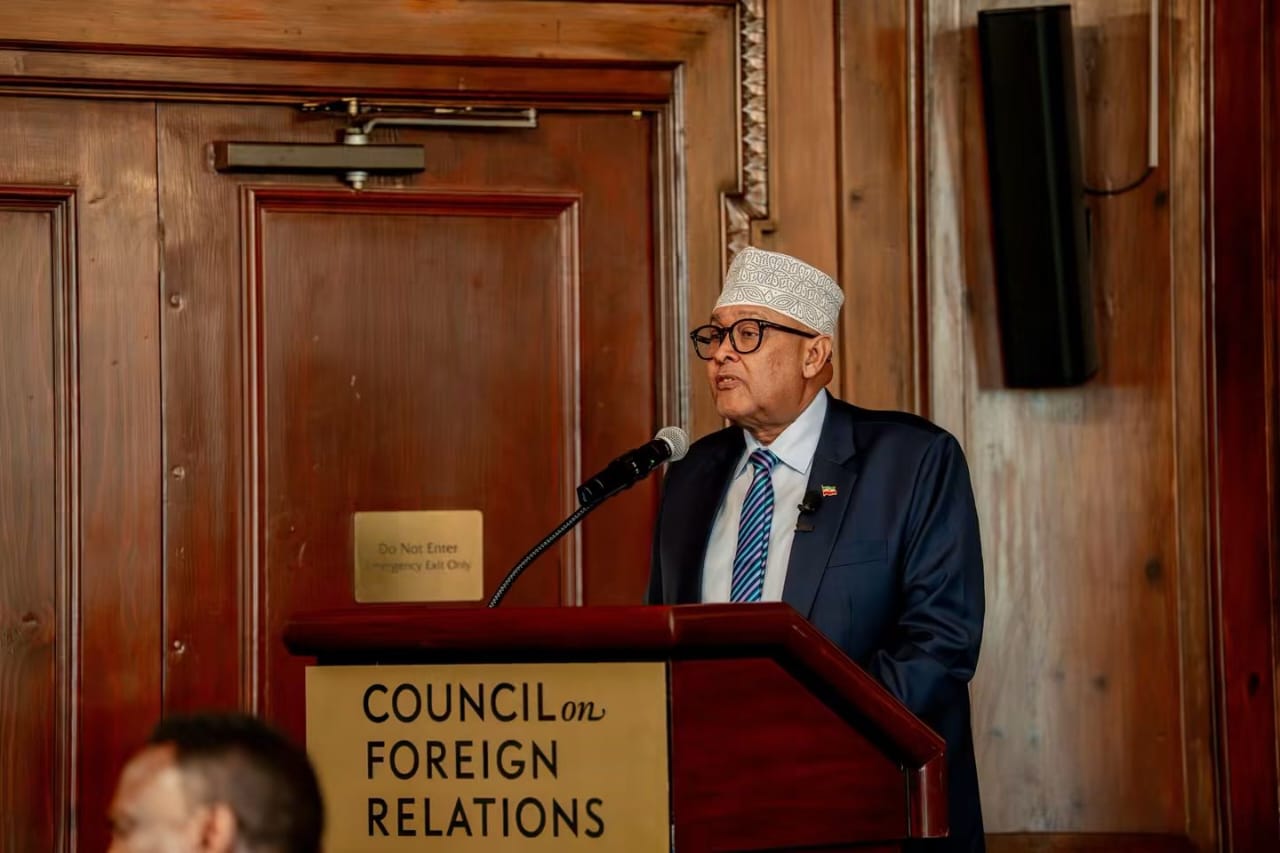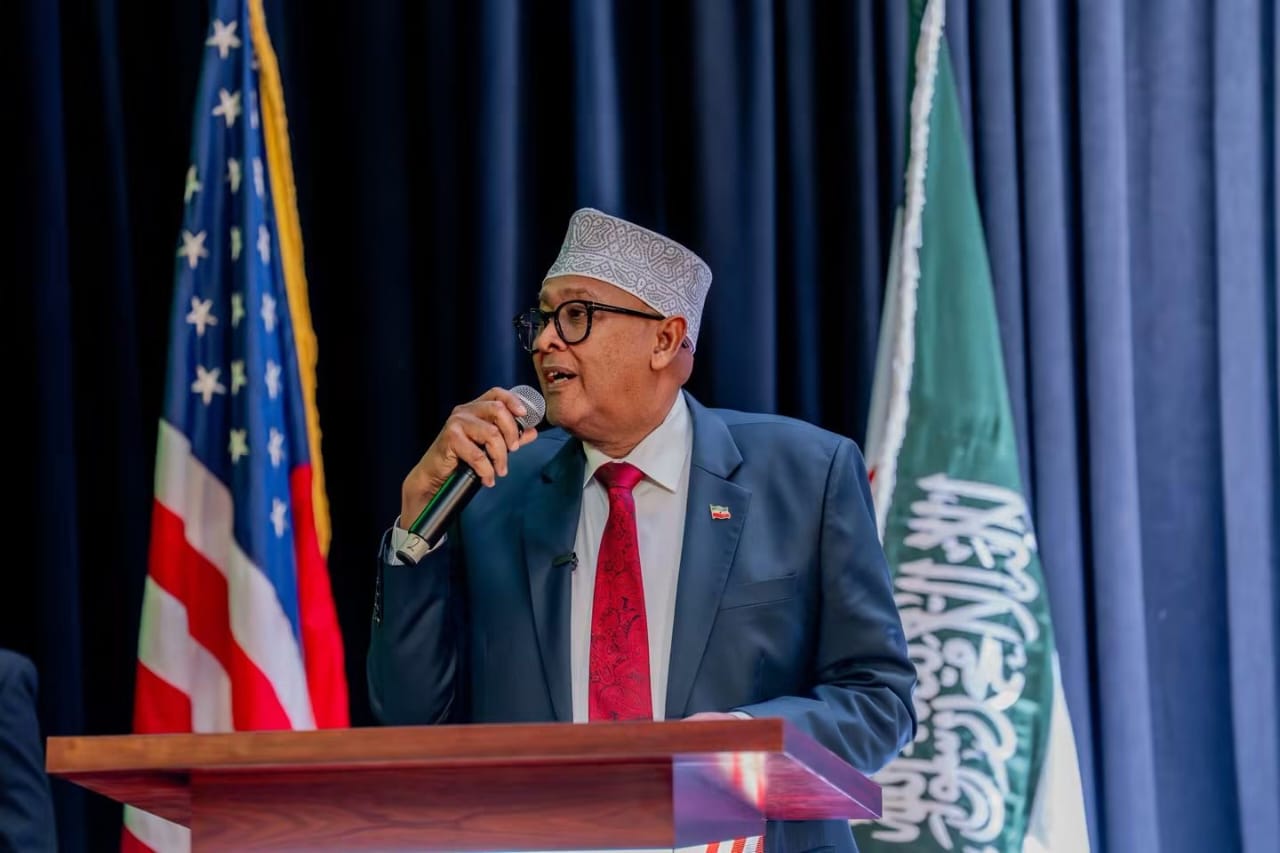
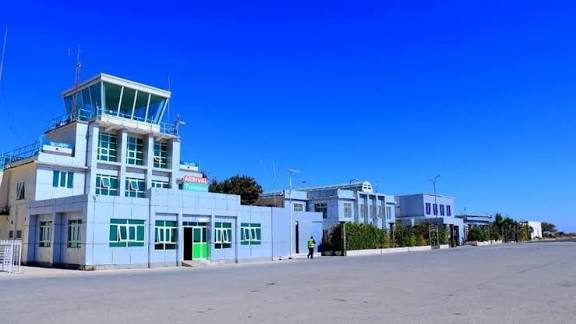
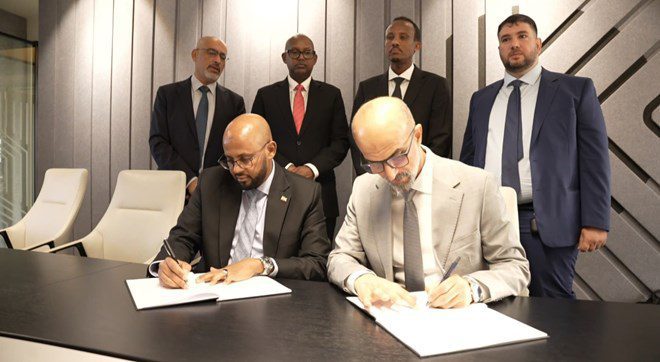
On 16 September 2025, the Somaliland government announced that it had signed an agreement with a company called Maharat Investment Company to develop and modernise Hargeisa Egal International Airport with an investment reportedly worth 70 million US dollars. The agreement was signed in Dubai by Somaliland’s Minister of the Presidency, Khadar Hussein Abdi, and the Minister of Civil Aviation and Airport Development, Fuad Ahmed Nuh.
At first glance, many Somaliland citizens welcomed the announcement. There is no doubt that Hargeisa airport urgently needs major expansion, renovation, and modernisation. The airport is old, limited in capacity, and no longer meets the growing needs of passengers, airlines, trade, and national development. Somaliland deserves a modern international airport that reflects its ambitions and supports its economy.
However, the real concern is not whether the airport should be developed. The concern is who will develop it, under what terms, with what guarantees, and under whose oversight.
The controversy surrounding Maharat Investment Company has raised serious questions among the public, aviation professionals, legal experts, business people, and members of the Somaliland diaspora. The lack of transparency surrounding the agreement has created uncertainty, suspicion, and fear about the future of one of Somaliland’s most strategic national assets.
Table of Contents
Hargeisa Airport truly needs modernisation
Before discussing the issues surrounding the agreement, it is important to recognise the reality of Hargeisa airport itself.
The airport was originally built in 1958 during the British colonial administration. Since then, only limited improvements have been made. Passenger numbers have increased significantly over the years, but infrastructure development has not kept pace.
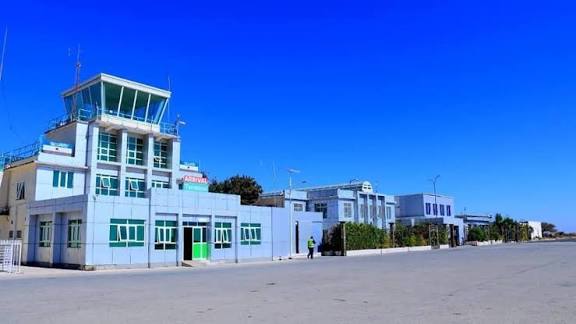
Today, the airport requires major investment in nearly every area, including:
- Expansion of the passenger terminal
- Runway rehabilitation and possible extension
- Modern air traffic control systems
- Navigation and communication equipment
- Weather observation and MET forecasting systems
- Airport firefighting and rescue services
- Security and screening systems
- Cargo and logistics facilities
- Aircraft parking stands and taxiways
- Passenger comfort and customer service facilities
Somaliland’s aviation sector is growing steadily. More airlines operate flights to Hargeisa today than in previous decades. The Somaliland diaspora travels frequently. Trade and business links are increasing. Tourism potential also exists. A modern airport is therefore not a luxury; it is an economic necessity.
In fact, airports today are not only transportation facilities. They are economic engines. Modern airports attract investment, create jobs, support tourism, encourage trade, and improve international connectivity.
Therefore, nobody seriously argues against airport development itself. The real issue is whether such a sensitive national project should be handed to an unknown and unverified company.
Who Is Maharat Investment Company?
This is where the problem begins.
Since the announcement of the agreement, Somaliland citizens both inside and outside the country have searched extensively for information about Maharat Investment Company. According to widespread public discussion, the company representatives who signed the agreement are believed to be Iraqis based in Dubai.
However, despite extensive searches, people have reportedly been unable to find:
- An official company website
- A physical office location
- A public company profile
- Names of founders or executives
- Previous airport development projects
- Aviation experience
- Engineering portfolio
- Financial records
- Public registrations in the UAE mainland
- Registration in Dubai free zones
- International partnerships
- Industry certifications
This is highly unusual for a company claiming to invest 70 million dollars into a major international airport project.
Serious airport development projects are normally carried out by well-known international airport operators, engineering companies, infrastructure developers, or specialised aviation investment firms with proven records and transparent ownership structures.
When governments negotiate such strategic agreements, there is usually extensive due diligence. Governments normally examine:
- Company ownership
- Financial capacity
- Technical expertise
- Legal registration
- Source of funds
- Previous project performance
- International reputation
- Political and security risks
In this case, the Somaliland public has not been shown any such evidence.
This absence of transparency has naturally created suspicion.
A strategic national asset cannot be given away blindly
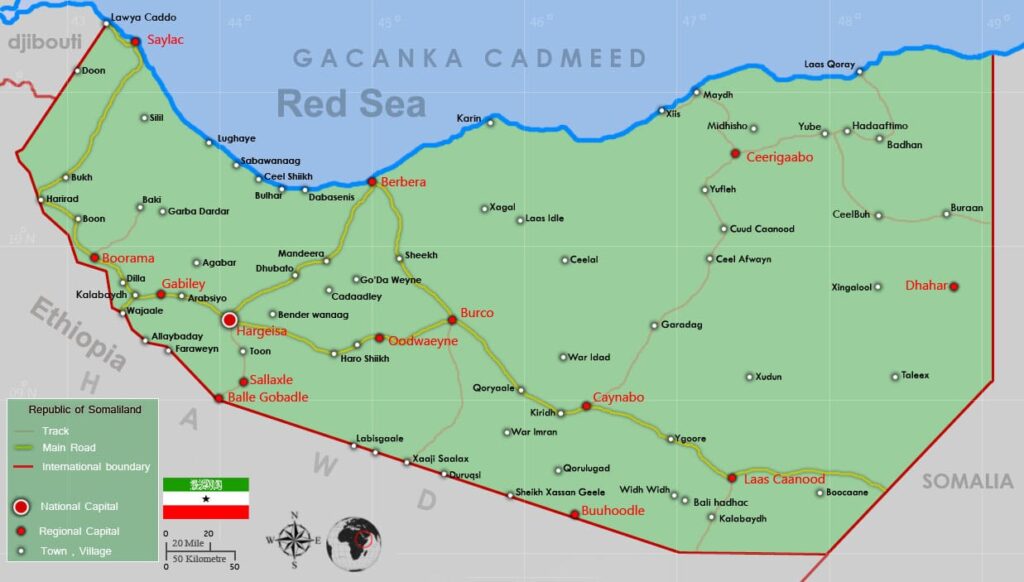
Hargeisa airport is not just another commercial property. It is Somaliland’s main operational international airport and one of the country’s most important strategic assets.
The other major airport, Berbera International Airport, is already managed through a partnership involving the DP World and the United Arab Emirates. That means Hargeisa airport remains the primary airport directly under Somaliland’s own operational control.
Airports are linked to:
- National security
- Border control
- Intelligence
- Airspace management
- Economic sovereignty
- Emergency response
- Diplomatic access
- Military considerations
For that reason, governments around the world treat airport ownership and management with extreme caution.
Handing control of such a strategic facility to an unknown company without transparency, parliamentary oversight, or public scrutiny is risky and potentially dangerous.
Many Somaliland citizens now fear that Maharat Investment Company could merely be:
- A shell company
- A front company
- A money laundering vehicle
- A proxy for foreign interests
- A cover for intelligence operations
- A politically connected business arrangement lacking accountability
Whether these fears are true or false is not the main point. The problem is that the ministers who signed the agreement have failed to provide enough information to remove these fears.
In governance and national security, perception matters. Lack of transparency creates mistrust.
Where was the legal and technical expertise?
Another major concern is the manner in which the agreement was signed.
According to public information, the agreement was signed mainly by two politicians: the Minister of the Presidency and the Minister of Civil Aviation.
Reports indicate there were no aviation technical experts present to assess the operational and infrastructure aspects of the agreement. There were also reportedly no independent lawyers or solicitors involved to verify the legal structure and obligations.
This raises serious professional concerns.
Airport concession agreements and infrastructure contracts are highly complex. They normally require teams of:
- Aviation consultants
- Infrastructure engineers
- Airport planners
- International aviation lawyers
- Financial analysts
- Procurement specialists
- Security experts
- Environmental consultants
Such agreements can affect a country for 20, 30, or even 50 years.
A poorly negotiated airport agreement can result in:
- Loss of national control
- Excessive fees
- Revenue leakage
- Weak safety oversight
- Legal disputes
- International arbitration cases
- Corruption allegations
- Security vulnerabilities
Without proper technical and legal review, Somaliland risks signing an agreement whose consequences may not become clear until years later.
The agreement itself remains unclear
One of the most troubling aspects of this issue is the absence of publicly available details.
To date, many critical questions remain unanswered:
- What exactly is the agreement model?
- Is it Build-Operate-Transfer (BOT)?
- Is it a management contract?
- Is it a concession agreement?
- How long will the contract last?
- Who owns the airport during the agreement?
- What revenues will the company receive?
- What guarantees has Somaliland provided?
- What happens if the company fails?
- What dispute resolution mechanisms exist?
- Which courts or arbitration systems will govern disputes?
- What security oversight provisions exist?
- When will construction begin?
- When will it end?
- What are the project phases?
- Who will supervise quality and compliance?
These are not minor questions. They are fundamental national questions.
The public has a legitimate right to know the terms under which a national strategic asset is being managed.
The role of the cabinet and parliament
Another controversial issue is that the agreement reportedly was not formally discussed by the Somaliland cabinet or ratified by the House of Representatives before signing.
Large international agreements involving national infrastructure and foreign entities should normally pass through institutional review and parliamentary scrutiny.
Parliament exists partly to protect national interests through oversight and accountability.
Major airport agreements should ideally involve:
- Cabinet review
- Parliamentary debate
- Legal review
- Public consultation
- Independent technical assessment
- Financial due diligence
This process protects both the government and the public.
Transparency is not a weakness. It is a safeguard.

Somaliland must avoid strategic mistakes
Somaliland has worked for decades to build peace, stability, and functioning institutions under difficult conditions. Strategic national assets must therefore be handled carefully and professionally.
Many African and developing countries have suffered from poorly negotiated infrastructure deals involving unknown foreign companies. Some later discovered:
- Hidden debts
- Unfair concessions
- Secret clauses
- Sovereignty risks
- Corrupt arrangements
- Political manipulation
Somaliland must learn from those experiences.
The country should welcome investment, but it must insist on credibility, transparency, accountability, and professionalism.
Not every investor is a genuine investor.
What Somaliland should do instead
Rather than rushing into unclear agreements, Somaliland should adopt a transparent and professional airport development strategy.
The government should:
Publish the full agreement
The public deserves transparency. The entire agreement should be made available for public review, except for genuinely sensitive security details.
Conduct independent due diligence
An independent legal, financial, and technical investigation should verify:
- Company ownership
- Registration status
- Funding sources
- Technical capabilities
- International track record
Involve aviation experts
Somaliland has qualified aviation professionals at home and in the diaspora who can provide technical advice.
Airport development should not be treated purely as a political issue.
Ensure Parliamentary oversight
The House of Representatives should debate and ratify any major airport concession or infrastructure agreement.
Open international competitive tendering
If Somaliland truly wants a credible airport investor, it should launch an international competitive bidding process.
This would attract reputable airport operators and infrastructure companies with proven experience.
Protect National Security
Any foreign involvement in strategic infrastructure must include strong security safeguards and clear limits on operational control.
Development is necessary, but transparency is essential
Somaliland needs modern airports. That is undeniable.
A modern Hargeisa airport could transform trade, tourism, business, cargo operations, and international connectivity. It could create jobs, improve services, and strengthen the economy.
But development must not come at the expense of transparency, accountability, and national security.
No responsible government should hand over a strategic national asset to a company whose identity, ownership, experience, and financial background remain unclear.
The issue is therefore not opposition to development. The issue is opposition to secrecy, uncertainty, and risk.
Somaliland citizens are right to ask questions. Asking questions about national assets is not anti-development. It is responsible citizenship.
A strong government should welcome scrutiny, provide answers, and build public confidence through transparency and professionalism.
Hargeisa airport deserves world-class development. Somaliland deserves trustworthy partners.
And the people deserve to know exactly who they are dealing with before the future of their main international gateway is placed in foreign hands.
By Abdikarim Ali Baarjeeh
Aviation Consultant and Writer