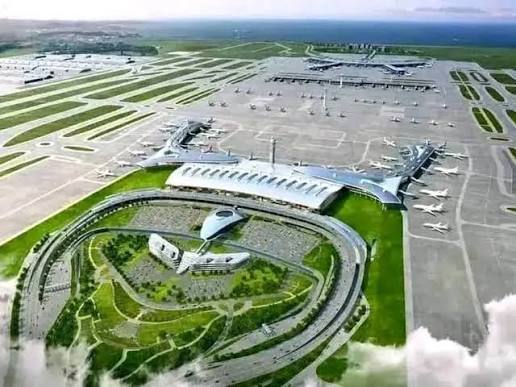

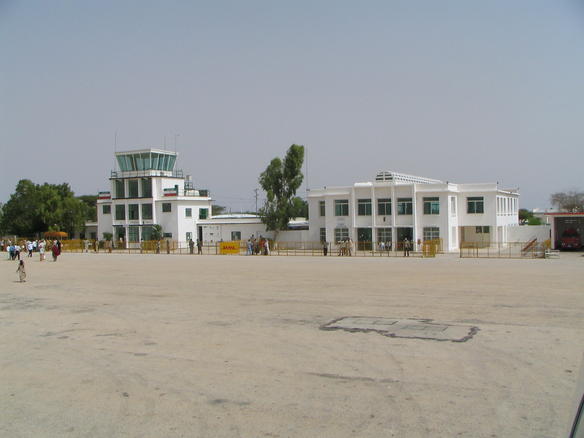
Hargeisa International Airport is the main gateway to Somaliland and plays a vital role in connecting the country to the rest of the world. It is often the first impression visitors, investors, tourist, aid workers, and members of the diaspora receive when they arrive. Unfortunately, many airlines operating at the airport are increasingly expressing frustration over poor services, operational inefficiencies, high costs, and a lack of investment in critical infrastructure.
Instead of becoming a modern and competitive airport, Hargeisa International Airport continues to face serious challenges that affect airlines, passengers, and the overall reputation of Somaliland’s aviation sector.
Airlines frustrated by poor services
Airlines serving Hargeisa have reportedly raised concerns about slow and inefficient airport operations. Check-in procedures are often delayed, passenger processing can be slow, and ground handling services frequently fall below international standards.
In the aviation industry, time is money. Every minute an aircraft spends on the ground costs airlines money. Delays caused by inefficient airport services increase operating costs and disrupt flight schedules. Airlines expect airports to provide fast, professional, and reliable services, but many believe this is not currently happening in Hargeisa Airport.
Ground handling services are another major concern. Airlines complain about a lack of modern equipment and inadequate operational support. Ground handling is responsible for loading/unloading baggage and cargo, fuelling, toilet services, servicing aircraft, and ensuring quick aircraft turnaround. When equipment is outdated or insufficient, delays become inevitable.
High Airport charges hurt competitiveness
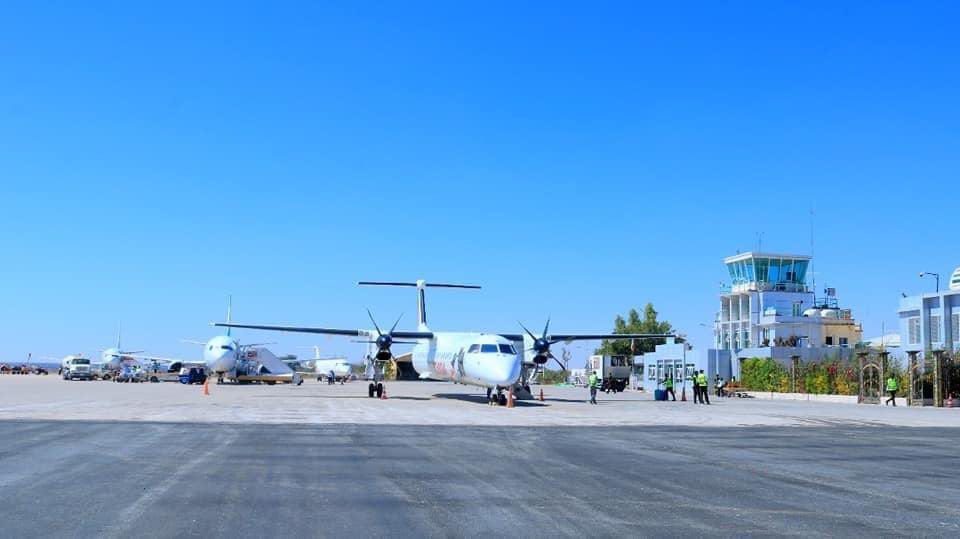
At the same time that services remain poor, airlines also face some of the highest operating costs in the region.
Airlines complain about expensive landing fees, navigation charges, parking fees, and ground handling costs. Higher than Addis Ababa and Nairobi airports. These charges directly affect airline profitability and can discourage carriers to sustain this route in the long term.
Fuel prices at Hargeisa airport are also significantly higher than those found in many neighbouring countries including landlocked Ethiopia. Since fuel is one of the largest expenses for any airline, high fuel costs make operating flights to Hargeisa less attractive.
Safety concerns continue to grow
Perhaps the most worrying issue is the state of aviation safety infrastructure at the airport.
Pilots reportedly face challenges obtaining accurate and timely weather information. Modern airports rely on advanced weather observation systems to provide pilots with real-time data about visibility, wind conditions, cloud cover, and other important information.
At Hargeisa airport, weather equipment remains inadequate, and pilots sometimes receive outdated or unreliable weather reports. As a result, pilots often carry a greater responsibility for assessing conditions and making critical safety decisions.
Many aviation professionals believe this situation creates unnecessary risks and places additional pressure on flight crews.
The airport also lacks an Instrument Landing System (ILS), an important navigation aid that helps aircraft land safely during poor weather conditions. Without an ILS, pilots must rely on visual approaches and other navigation methods, reducing operational flexibility and safety margins. During periods of low cloud, fog, or poor visibility, aircraft are often forced to hold and circle over the airport for extended periods while waiting for conditions to improve.
In some cases, pilots have no choice but to divert to nearby airports such as Djibouti. These diversions increase fuel costs, disrupt schedules, inconvenience passengers, and create unnecessary operational challenges for airlines. In modern aviation, such situations should be the exception rather than a regular occurrence.
Runway and Airport infrastructure need urgent attention
The physical condition of the airport is another source of concern.
Airlines and pilots have repeatedly highlighted the poor condition of the runway and other airport facilities. Runways are among the most important assets of any airport and require continuous maintenance to ensure safe aircraft operations.
Hargeisa Airport also lacks operational runway lighting systems. As a result, the airport can only function during daylight hours and remains closed at night.
This severely limits flight schedules, reduces operational flexibility, and makes it impossible for airlines to introduce evening or overnight services.
In today’s aviation industry, an international airport operating only during daylight hours is a major disadvantage.
Staffing and operational problems
Some airlines have also complained about staffing issues and airport management practices.
There have been reports of situations where air traffic control services were not immediately available, forcing aircraft to wait or circle before landing while airport personnel arrived for duty.
Such incidents would be considered unacceptable at many international airports. Airlines expect essential services such as air traffic control to be fully staffed and available whenever airport operations are scheduled.
Although the airspace above Somaliland remains controlled from Mogadishu, Hargeisa Airport is responsible for approach and local airport operations. Airlines expect these services to operate efficiently, professionally, and without interruption.
Lack of training and emergency preparedness
Another major concern is the apparent lack of continuous training for airport personnel.
Modern aviation is highly technical and heavily regulated. Airport staff must receive regular training to maintain safety standards and operational efficiency.
Unfortunately, many observers believe staff development has not received sufficient attention.
Concerns have also been raised regarding airport firefighting and rescue services. Emergency response teams must be properly trained, equipped, and ready to respond immediately to any aircraft incident or accident.
Without adequate equipment, training, and regular emergency exercises, the airport’s ability to respond effectively during a crisis could be compromised.
Air Arabia’s departure sends a warning
The challenges facing Hargeisa Airport are not new.
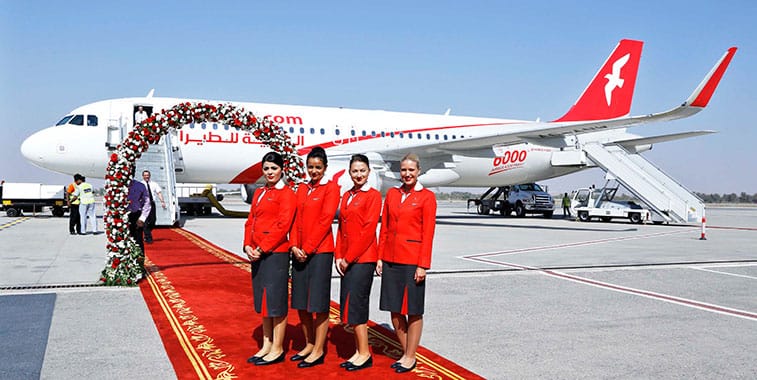
One of the clearest examples occurred when Air Arabia suspended its flights to Hargeisa following disagreements related to airport slots and flight frequencies. Restrictions imposed under the previous administration created tensions between the airline and aviation authorities.
The loss of any international airline should serve as a warning signal. Airlines have many choices regarding where to invest and operate. When they encounter unnecessary obstacles, poor service, or operational uncertainty, they may simply move elsewhere.
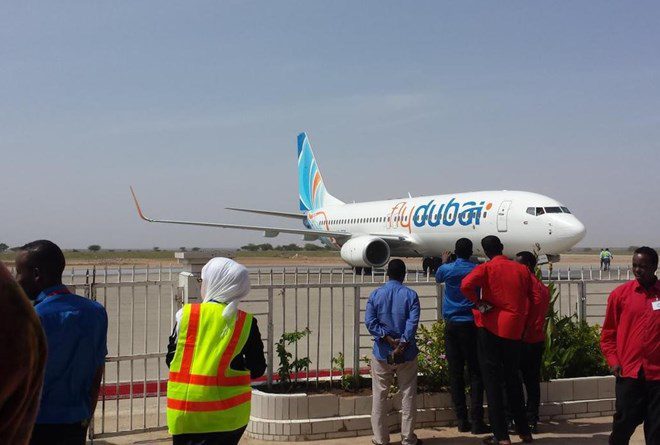
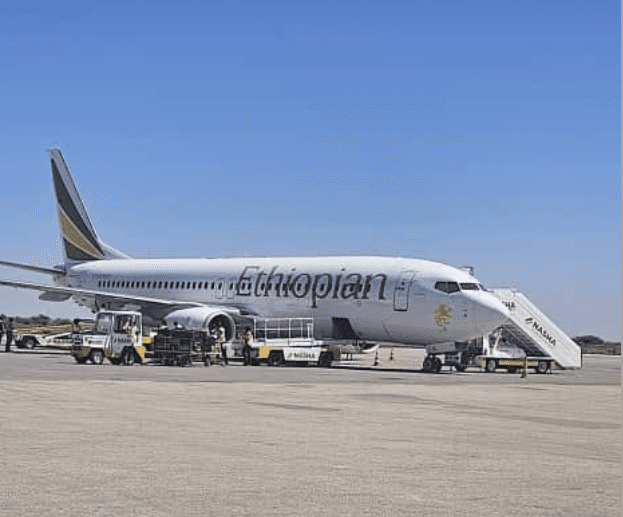
Today, only a limited number of major international carriers, including Ethiopian Airlines and Flydubai, continue serving Hargeisa.
Retaining existing airlines and attracting new carriers should be a top priority.
Questions about leadership
Many stakeholders expected the current administration to improve airport operations, modernize infrastructure, and strengthen relationships with airlines.
However, critics argue that progress has been slow and that airport management continues to struggle with issues that should have been addressed long ago.
The aviation sector is highly specialized and requires strong technical knowledge, strategic planning, and close engagement with airlines and industry stakeholders. Many in the aviation community believe stronger leadership, better planning, and greater professionalism are urgently needed to move the sector forward.
The time for action is now
Hargeisa International Airport has enormous potential. Somaliland occupies an important strategic location along major regional and international air routes. With proper investment and management, the airport could become a competitive regional gateway.
However, the current situation is becoming increasingly difficult to ignore.
Airlines are complaining about poor services, high operating costs, inadequate infrastructure, weak safety systems, limited operational capability, and a lack of modernization. These concerns affect not only airlines but also passengers, businesses, investors, and the wider economy.
https://horntodaynews.com/somalilands-aviation-sector-at-a-crossroads/
If meaningful improvements are not implemented quickly, there is a real risk that more airlines may reduce services or reconsider their presence in the market.
A modern airport is not a luxury. It is essential infrastructure for economic growth, tourism, trade, investment, and international connectivity.
The future of Hargeisa International Airport depends on decisive action, professional management, investment in infrastructure, staff training, and a genuine commitment to meeting international aviation standards. The longer these problems remain unresolved, the greater the risk that Somaliland’s aviation sector will fall further behind its regional competitors.
HTN Team
info@horntodaynews.com