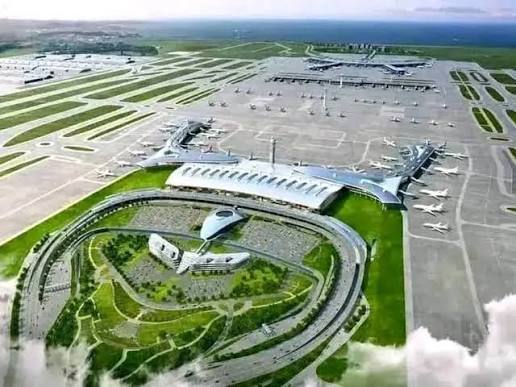
Aviation is one of Somaliland’s most strategic and critical sectors. Every month, thousands of people depend on air transport, including business travellers, students, medical patients, freight, aid workers, investors, diplomats, and especially the Somaliland diaspora that plays a major role in supporting the country’s economy. Without efficient and reliable aviation services, Somaliland risks economic isolation and reduced international connectivity.
However, as was widely expected from the new government of Somaliland led by the Waddani party, which came into office with clear promises to overhaul the aviation industry and modernise airports, many hoped for a new era of decisive leadership, rapid infrastructure upgrades, and stronger institutional direction in the sector. Instead, the sector continues to face weak leadership, aging facilities, unresolved airspace issues, slow modernisation and external interference remains a concern.
Table of Contents
Questions over leadership and professional competence
Many citizens and aviation experts believe that Somaliland’s aviation sector is being held back by weak leadership at a critical time. Aviation is a highly technical field that requires deep expertise in international aviation law, airspace management, airport development, airline negotiations, safety and security regulations, and global aviation diplomacy.
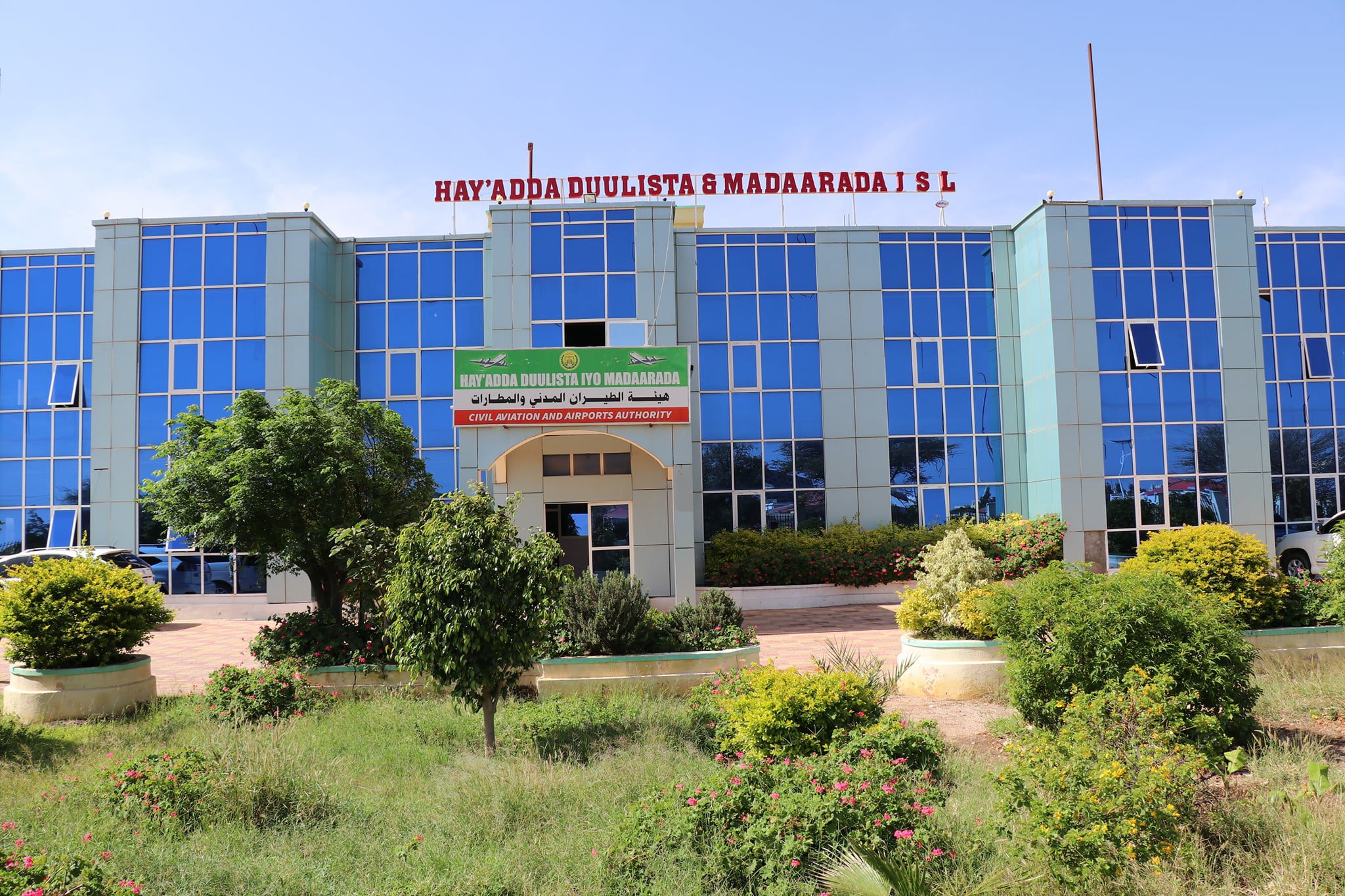
Critics say the Ministry of Civil Aviation and Airport Development has not shown the strategic vision, technical capacity, or diplomatic strength needed to address the sector’s growing challenges. While neighbouring countries rapidly modernise their aviation systems, Somaliland continues to face unresolved airspace disputes, outdated infrastructure, and increasing external pressure.
Instead of taking a strong and proactive role in defending Somaliland’s aviation interests, the ministry is often viewed as reactive and more focused on public messaging than long-term reform. As a result, frustration is rising, especially among the aviation professionals, diaspora, business community, and frequent travellers who see the sector as poorly managed at a crucial moment for the country’s future.
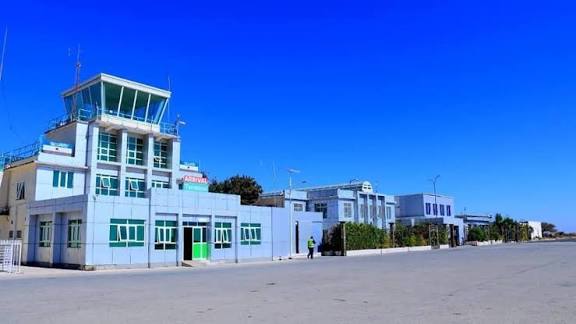
Somaliland’s Airspace remains under Mogadishu FIR control
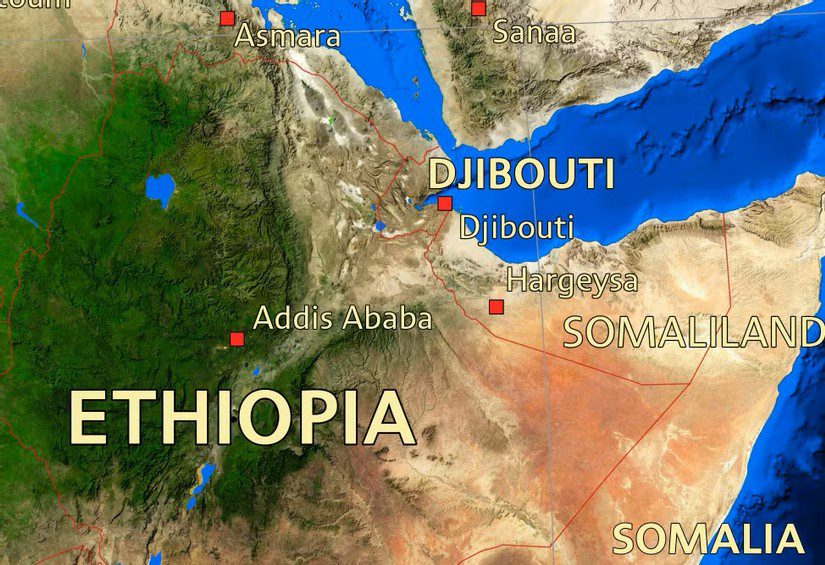
One of the most damaging unresolved issues for Somaliland is its lack of control over its own airspace. Despite operating independently for decades, Somaliland’s Airspace remains under Mogadishu control, giving Somalia authority over air traffic management and overflight permissions and charges above Somaliland territory.
This mechanism has serious sovereignty and economic consequences. Overflight revenues generated from Somaliland’s airspace are collected outside Somaliland, while the country receives no direct benefit. For many citizens, this represents not just a technical issue, but a clear loss of national control.
Airspace management is a core element of sovereignty. It affects security, economic rights, and international recognition of operational authority. Continued external control over Somaliland’s skies is therefore widely seen as a major strategic weakness that undermines the country’s claim to full functional independence.
Somalia’s increasing Aviation measures against Somaliland
Over recent years, Somalia has introduced a series of aviation measures widely viewed in Somaliland as political pressure aimed at weakening its sovereignty and separate aviation identity. These actions have taken place without a strong or counter-response from the Somaliland Ministry of Civil Aviation and Airport Development, which many citizens consider a serious failure of leadership at a strategic level.
Destination naming instruction
Airlines that previously listed “Hargeisa, Somaliland” on their booking systems were instructed by Somalia’s Civil Aviation Authority to change it to “Hargeisa, Somalia.” All carriers complied with the instruction. This development has been widely viewed as a significant setback for Somaliland’s sovereignty and aviation identity in international booking and airline systems.
Despite expectations for a firm defence of Somaliland’s established aviation (destination) naming and international positioning, the ministry’s response has been limited and ineffective.
As a result, the change has remained in place without challenge, while airlines continue operating to Hargeisa as normal after complying with the directive, facing no consequences from Somaliland authorities.
E-Visa and ETA restrictions
Somalia’s e-visa and Electronic Travel Authorisation (ETA) system has introduced an additional mandatory requirement for passengers travelling to Hargeisa, especially diaspora travellers using airlines such as Ethiopian Airlines and flydubai. Before boarding, passengers must obtain online travel authorisation, adding another layer to booking, documentation, and check-in procedures.
In practice, this has made travel more complicated, expensive, and uncertain for passengers. Many travellers find the application process difficult to complete on their own, so they end up using agents, which adds extra cost. On top of that, airlines and ticket sellers do not always provide clear or consistent information about required documents, which leads to confusion, delays, and in some cases passengers being stuck at airports.
Many observers say the response from the Somaliland Ministry of Civil Aviation has been weak and not effective. Despite the clear impact on passengers, there has been limited action to fix the problem. There has also been little success in negotiating with airlines or engaging diplomatically to secure easier procedures, exemptions, or practical solutions that would reduce the burden on travellers flying to Hargeisa.

Airport development fees
Airport development fees at Hargeisa Airport have raised serious public concern following reports that a $15 per passenger levy – introduced by the Somalia Ministry of Transport and intended for Somalia is being collected by airlines from passengers departing Hargeisa and transferred to the Federal Government of Somalia through airlines.
This arrangement is widely viewed as unacceptable by many stakeholders, as the charge is being imposed within an airport located in Somaliland’s jurisdiction, yet the revenue is not retained or reinvested locally. Instead, passengers travelling from Hargeisa are indirectly financing Somalia’s aviation system, despite Somaliland operating its own civil aviation administration and airport infrastructure.
Allowing external authorities to impose and collect fees within Hargeisa Airport reflects weak institutional control and undermines Somaliland’s sovereignty.
Air Ambulance incident
The reported obstruction of an air ambulance flight from Addis Ababa to Hargeisa in 2024 further intensified concerns about unresolved aviation authority disputes. The incident was particularly sensitive because it involved a humanitarian emergency. However, the response from the aviation authorities was widely viewed as inadequate, with little evidence of strong crisis management, diplomatic follow-up, or institutional clarification. For many citizens, this reinforced perceptions of weak leadership and limited capacity to manage high-stakes aviation incidents.
Lord Ashcroft denied entry to Somaliland
Another widely discussed case involved Lord Ashcroft’s aircraft being denied entry into Somaliland airspace, reportedly due to coordination issues linked to Somalia’s civil aviation control structures. This incident happened this Month and was seen by many as a missed diplomatic and aviation management opportunity, raising further questions about Somaliland’s ability to independently protect and manage its airspace interests in practice.
Taken together, these developments – including airspace and flight permission issues, and humanitarian flight disruptions – are widely seen as growing external pressures on Somaliland’s aviation autonomy. They are unfolding at a time when Somaliland’s aviation profile is becoming increasingly politically sensitive, with reported diplomatic engagement from actors such as Israel, which further raises expectations for strong institutional performance and international-standard aviation governance.
Somaliland needs a strong Aviation strategy
Somaliland urgently needs a clear, long-term aviation strategy backed by professional leadership and international best practice. The sector cannot continue to rely on short-term reactions while major issues remain unresolved, including airspace disputes, airport modernisation, revenue protection, safety and security systems, and relations with international airlines.
Aviation is a strategic national asset tied to sovereignty, economic growth, and global connectivity. Without experienced aviation professionals and stronger institutional capacity, Somaliland risks continued operational weaknesses, declining efficiency, and loss of public confidence, especially among diaspora travellers.
Time for reform
Growing public concern reflects a wider call for reform within the Ministry of Civil Aviation and Airport Development. Many argue that only decisive leadership changes, stronger technical expertise, and a shift toward long-term planning can transform aviation into a reliable and competitive sector.
https://horntodaynews.com/hargeisa-airport-airlines-raise-serious-concerns/
The choice is increasingly clear: either build a modern, professional aviation system that reflects national ambition and international standards, or continue facing stagnation, inefficiency, and missed opportunities.
HTN Team
info@horntodaynews.com