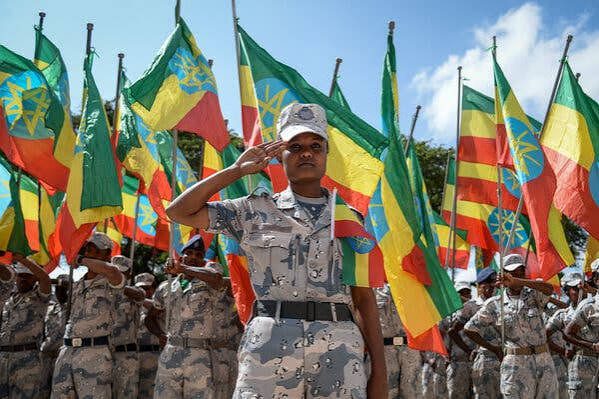
For many people in Somaliland, Turkey’s position is not just a foreign-policy disagreement. It feels personal. Turkey strongly protects a breakaway administration in northern Cyprus, it recognised Kosovo quickly, yet it refuses to acknowledge Somaliland’s independence and instead speaks firmly about Somalia’s “territorial integrity.” The result is a deep sense that Turkey is applying one rule in Europe and a different rule in the Horn of Africa.
Somaliland recognition
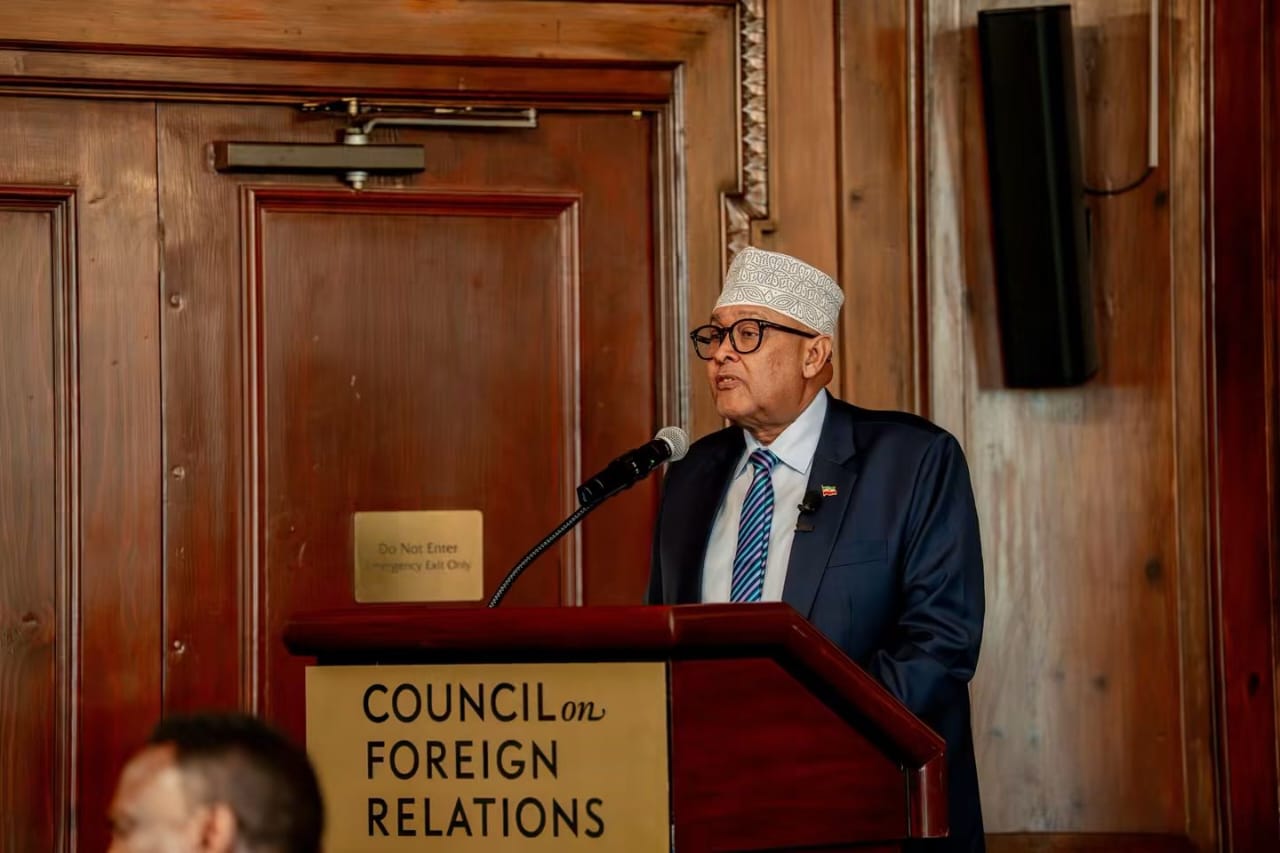
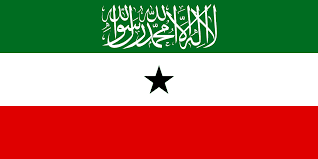
That feeling has become sharper since Israel formally recognised Somaliland as a sovereign independent State on 26 December 2025, a move that turned what had long been a quiet diplomatic debate into a louder regional dispute. Turkey reacted immediately. Standing beside Somalia’s president, Hassan Sheikh Mohamud, President Recep Tayyip Erdogan described Israel’s decision as “illegal” and “unacceptable,” and framed it as an attempt to destabilise the Horn which is untrue.
There is a simple way to understand what is happening. States talk about principles, but they usually move according to interests. Turkey is not unique in this. What makes Turkey’s case so controversial is that its interests are now spread across three sensitive areas at the same time: the Eastern Mediterranean, the Balkans, and the Horn of Africa. When you place those theatres side by side, the pattern becomes easier to see.
Cyprus
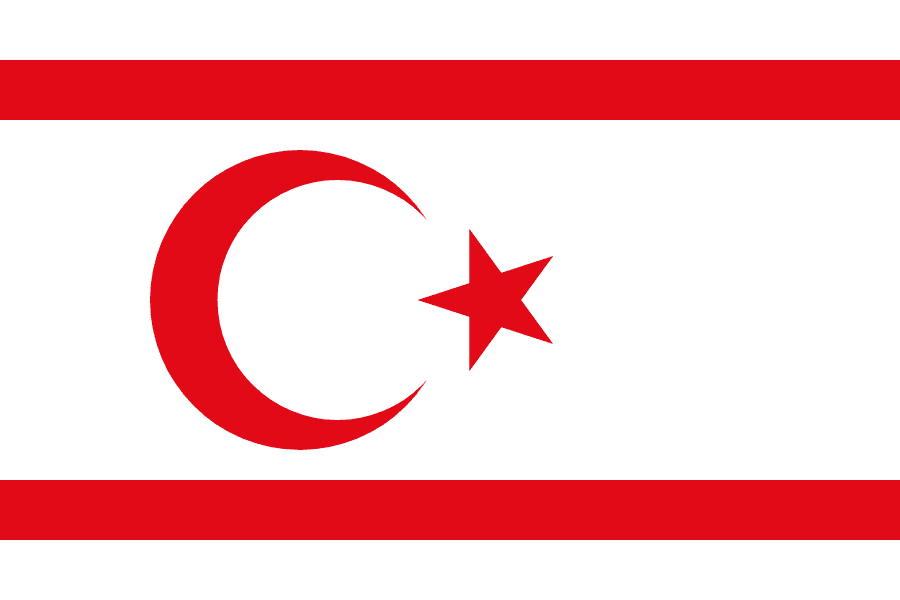
In northern Cyprus, Turkey’s policy is not a theoretical position. It is a long-standing, expensive, and militarily enforced reality. Cyprus has been divided since 1974. Only Turkey recognises the Turkish Cypriot declaration of independence made in 1983, and it maintains more than 35,000 troops in the north. From Turkey’s perspective, northern Cyprus is not “somewhere else.” It is near, it is tied to national security, and it is connected to Turkey’s wider struggle for influence in the Eastern Mediterranean. After decades of political investment, troop deployments, and diplomatic fights, Turkey is unlikely to step back. The message is clear: Turkey will protect separation there because it believes it serves Turkey’s security and strategic position.
Kosovo
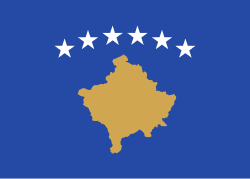
Kosovo is a different kind of case. Turkey recognised Kosovo on 18 February 2008, one day after Kosovo declared independence, and Turkish officials openly describe Turkey as among the first recognisers. Recognition was also a relatively “low-cost” move for Turkey compared to Cyprus. It strengthened Turkey’s influence in the Balkans, supported relationships with Kosovo’s leadership, and aligned Turkey with many partners who moved in the same direction at the time. In short, Kosovo offered Turkey diplomatic gains with manageable risk.
Then comes Somaliland, where the incentives flip completely.
Turkey has built a deep, multi-layer relationship with Somalia. It is not only development projects and scholarships. It is also security policy, strategic infrastructure, and now energy and maritime influence. When Somaliland is treated as independent, Turkey reads that as weakening the very state structure in Somalia that it has invested in and built partnerships around. That is why Turkey’s reaction to Israel’s recognition was not simply a legal statement. It was political, emotional, and strategic.
To understand the Somaliland issue clearly, it helps to look at Turkey’s footprint in Somalia – because this is where the argument about “soft colonisation” starts to emerge among critics. The term is strong, and it should be used carefully. But the underlying concern is real: Somalia’s most important gateways and security sectors increasingly involve Turkish power, Turkish contracts, or Turkish training. In weak-governance environments, that combination can easily look like dependency.
Somalia
Start with the military side. Turkey opened a major military training base in Mogadishu in 2017. At this $50 million facility Turkish officers train Somali soldiers and deepening ties between Ankara and Mogadishu. Training another country’s armed forces is not just assistance. It creates long-term relationships, shared command culture, and influence that can outlast governments. A partner who trains your soldiers is not a normal partner; they become part of your security system.
Now add the sea. In February 2024 Turkey committed to providing maritime security support to Somalia to help it defend its territorial waters. On the surface, this looks like exactly what Somalia needs: stronger capacity against illegal fishing, smuggling, and maritime crime. But control of the coastline is also control of national wealth and strategic leverage. When one foreign power becomes central to how a state protects its waters, it gains a level of influence that goes far beyond ordinary diplomacy.
Then there are the gateways: ports and airports.
Recently, Somalia’s Prime Minister’s Office announced a renegotiated concession agreement with Turkey’s Albayrak Group for the Port of Mogadishu, describing it as a 14-year concession signed in October 2020, and noting that Albayrak had already been operating the port since 2013. Ports are not just business assets. They are national choke points. Whoever runs a port influences trade costs, clearance times, revenue collection systems, and even political stability – because ports are where money and power meet.
On airports and concessions, Somalia’s own Office of the Auditor General published a special audit report on the Favori LLC and Decale Hotel concession agreements (covering 2021–2022). The report’s purpose is to document deviations and violations and to support corrective actions and accountability in the management of concession agreements and government assets. You do not need to exaggerate what this means. The key point is simpler: when strategic concessions exist and public oversight is weak, suspicion grows. That is the environment where accusations of exploitation or “soft colonisation” take root – because the public cannot clearly see whether deals are fair, whether terms are respected, and where the money is going.
Then came the next stage: resources.
In December 2025, during the same remarks condemning Israel’s Somaliland recognition, Erdogan also spoke about Turkey beginning offshore energy drilling off Somalia’s coast in 2026 and even mentioned a plan to establish a spaceport in Somalia, though details were not specified. This is important because it shows how the relationship is evolving. What began as humanitarian engagement and political partnership has expanded into security, infrastructure, and now energy ambitions and major strategic projects. That shift changes the public perception of the relationship, even if Turkey’s supporters still describe it as “cooperation.”
At the same time, Somaliland’s recognition story has entered a new phase. Israel’s decision is the first formal recognition of Somaliland as an independent state, a move that could reshape regional dynamics. Yesterday, Somaliland’s president said that Somaliland expects to finalise a trade partnership with Israel and hopes for investment. Regardless of how one views Israel’s motives, the effect is clear: Somaliland now has a precedent recogniser, and that changes calculations in many capitals.
Turkey understands that too. If recognition begins to spread, it could weaken Somalia’s central government and complicate Turkey’s strategic platform in Mogadishu. Recognition could also shift the balance of influence around the Red Sea and Gulf of Aden – one of the world’s most strategic shipping corridors. From Turkey’s point of view, preserving Somalia’s unity supports Ankara’s security, economic, and geopolitical aims in the region.
This is where Somalilanders see the double standard most clearly. In Cyprus, Turkey defends a breakaway entity with troops and diplomatic protection. In Kosovo, Turkey recognised independence quickly and proudly. But in Somaliland, Turkey insists on “unity” and condemns recognition as illegal.
Turkey’s answer is usually that these are different cases, with different histories and legal contexts. Many Somalilanders reply that the core principle – people governing themselves peacefully for decades – has been ignored in their case, while strategic interests appear to drive Turkey’s decisions elsewhere. That is the heart of the double standard.
There is also another layer to the Somaliland argument that often gets missed: Somaliland’s case is not only political; it is also about lived reality. Somaliland has functioned separately since 1991. It has its own institutions, its own security structures, and its own internal political life. Whether the world recognises it or not, Somalilanders experience themselves as a separate political state. Israel’s recognition did not create Somaliland; it simply acknowledged the reality.
But international recognition rarely follows moral logic alone. It follows bargaining power, alliances, and strategic convenience. That is why Somaliland’s case is unlikely to be settled by arguments about fairness, even if those arguments are strong. It will be settled by sustained diplomacy, widening partnerships, and convincing other states that recognition is not only justified, but also safe and beneficial.
This is the hard truth behind the headline: Turkey is applying two rules, but it is not random. It is applying one consistent method – support the outcomes that protect Turkey’s strategic position. Cyprus matters because it sits inside Turkey’s near security zone. Kosovo mattered because it boosted influence with relatively low cost. Somalia matters because it is Turkey’s anchor in the Horn, and Somaliland recognition threatens that anchor as they view it.
For Somalilanders, the lesson is not to stop criticising hypocrisy. The lesson is to document it carefully, avoid exaggeration, and build a stronger recognition strategy that does not depend on any single external sponsor. The most persuasive criticism is not slogans – it is evidence: troop-backed protection of northern Cyprus, early recognition of Kosovo, deepening strategic expansion in Somalia, and an immediate hard response when Somaliland finally received formal recognition from a state willing to break the taboo.
Somaliland’s recognition may not come quickly, but it is unlikely to be stopped forever. History shows that recognition often arrives slowly, then suddenly – when one breakthrough changes the political calculation for others. Israel’s decision has already created that first crack in the wall. From here, Somaliland’s path will depend less on outside speeches and more on steady diplomacy, strong institutions, security, and credible partnerships. It may come soon, or it may take longer than Somalilanders hope. But the direction is clear: as long as Somaliland continues to function, govern, and engage the world as a responsible state, recognition is more a question of when than if.
By Abdikarim Ali Baarjeeh
Aviation Consultant and Writer