Burao is not just another city in Somaliland. It is the second-largest city in the country, the capital of Togdheer region, and one of the most important economic and historical centres in Somaliland. Most importantly, Burao is remembered as the birthplace of Somaliland’s restoration in 1991, where leaders and elders declared the return of Somaliland’s independence after years of conflict and destruction.
Because of its historical and economic importance, Burao deserves modern infrastructure that reflects its national role. Yet despite its importance, the city still lacks one of the most basic requirements of a growing modern city: a fully operational airport.
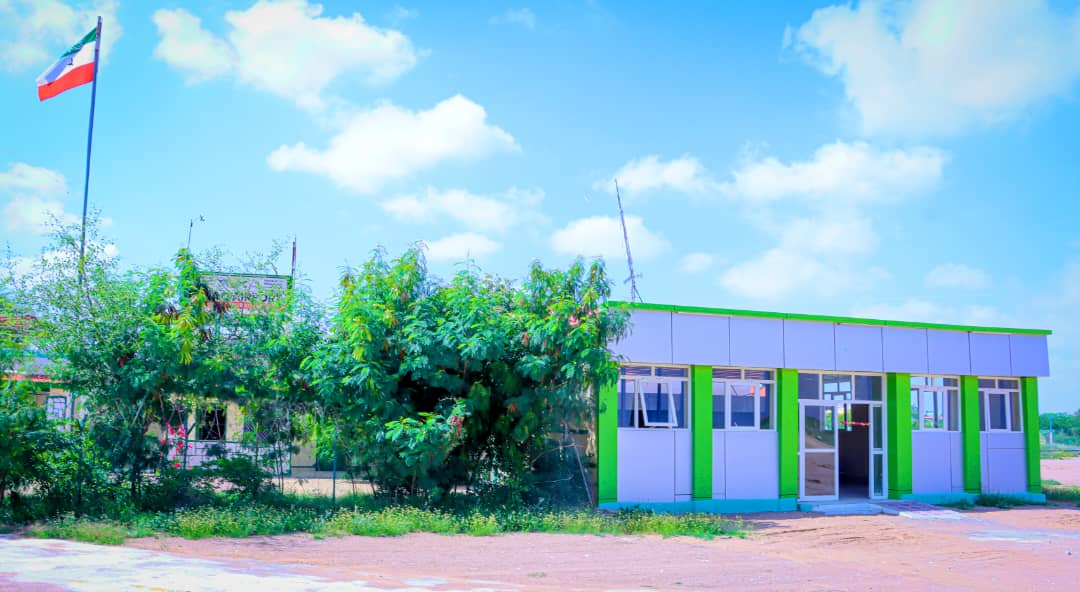
For many years, Burao Airport (BUO/HCMV) has remained inactive while the city’s population, businesses, and economic activities continued to grow. Residents are forced to travel long distances by road to Hargeisa to access international flights. This creates unnecessary costs, delays, and hardship for travellers, families, businesses, students, and medical patients.
Rebuilding Burao Airport is no longer simply a development project. It has become a national necessity.
Table of Contents
A promise that must be delivered
During the 2024 Presidential election campaign, the ruling Waddani Party promised to rebuild Burao Airport as part of its election manifesto. This promise created hope among the people of Burao and the wider Togdheer region.
Fulfilling election promises is important in every democratic society. When governments keep their commitments, public trust grows stronger and citizens feel that their voices and votes matter. On the other hand, when promises are ignored, frustration and disappointment increase, weakening confidence in politics and public institutions.
For this reason, rebuilding Burao Airport is not only about infrastructure. It is also about political credibility, accountability, and strengthening Somaliland’s democratic culture.
Lessons from the past
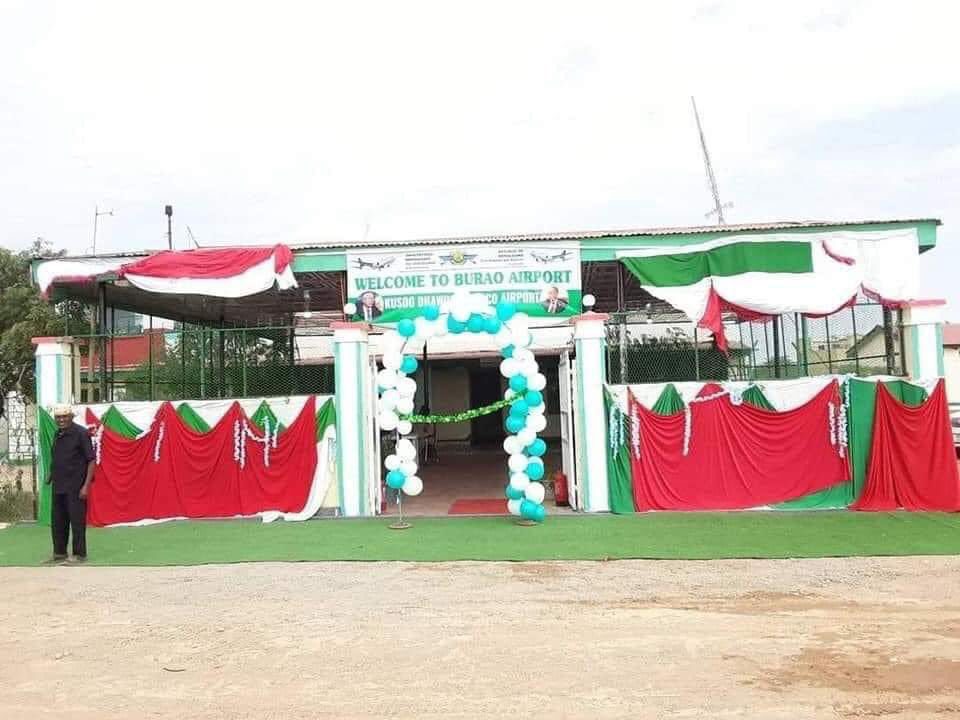
The idea of rebuilding Burao Airport is not new. In the mid-2000s, local elders and community leaders formed a committee and raised public contributions to support reconstruction of the airport. The community showed strong support and optimism for the project.
However, the project failed before completion, and many important questions still remain unanswered. People still ask how much money was collected?. How it was spent? And why the project stopped?.
This experience highlights the importance of transparency and professional management in future national projects. The rebuilding of Burao Airport must be handled openly, professionally, and responsibly to avoid repeating past mistakes.
Economic growth and trade opportunities
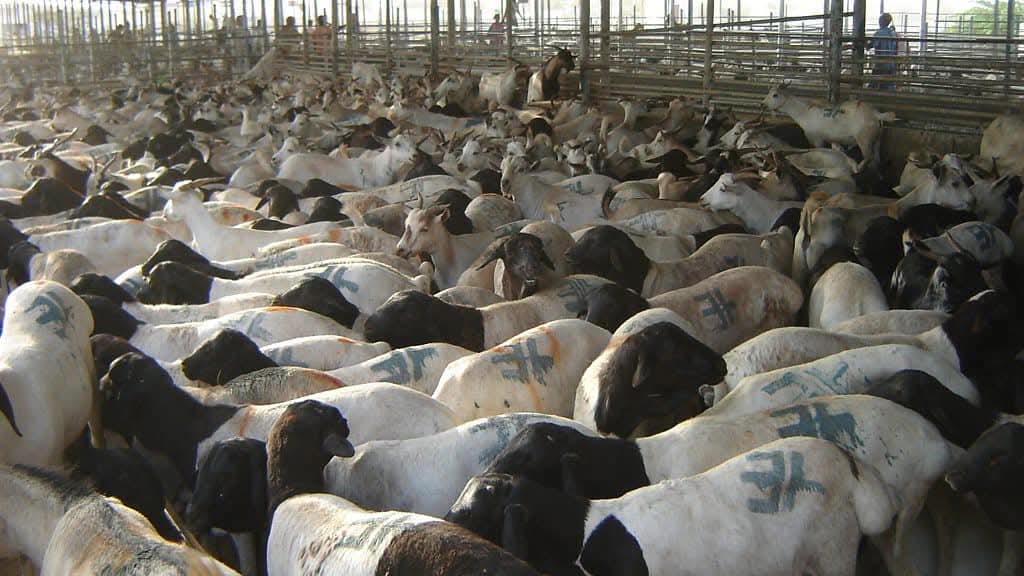
Burao is one of the most important economic centres in Somaliland. It hosts one of the largest livestock markets in East Africa and plays a major role in Somaliland’s livestock export economy. Thousands of camels, cattle, sheep, and goats pass through the city every year, especially for export to Middle Eastern markets.
A modern airport would greatly strengthen this important trade sector. Air cargo facilities would allow faster export of fresh meat and other perishable products, helping Somaliland improve product quality, reduce transportation time, and increase competitiveness in international markets.
The airport would also encourage investment in sectors such as meat processing, cold storage, logistics, agriculture, warehousing, hospitality, and aviation services. Modern investors often look first at infrastructure before making major investments, and airports are among the most important economic assets for any developing region.
Simply put, airports do not only move passengers. They stimulate economic growth and create new business opportunities.
Employment and local development
Rebuilding Burao Airport would also create significant employment opportunities for local people. During construction, jobs would be created for engineers, technicians, construction workers, electricians, drivers, security personnel, and suppliers.
Once operational, the airport would provide permanent employment opportunities in airport management, ground handling, customs and immigration services, air traffic control, cargo handling, hospitality, customer service, retail businesses, and transportation services.
The airport would also help nearby businesses grow. Hotels, restaurants, transport companies, travel agencies, and logistics providers would all benefit from increased passenger and cargo traffic. This wider economic activity would support local families and strengthen the regional economy.
Improving connectivity and travel
The Togdheer region has a large and growing population that requires better transport infrastructure. Air travel is no longer a luxury for a few people. It has become an essential part of business, education, healthcare, tourism, and modern economic development.
Today, many residents spend several hours travelling by road before they can access flights in Hargeisa. This creates additional transportation costs, accommodation expenses, and travel difficulties, especially for elderly people, families with children, and medical patients.
A functioning airport in Burao would save time, reduce costs, and make travel easier and safer for residents and visitors alike. Direct domestic and international flights would also strengthen connections between the Somaliland diaspora and their home communities. Many members of the diaspora from Togdheer region regularly visit relatives, invest in businesses, and support local development projects.
Strategic and humanitarian importance
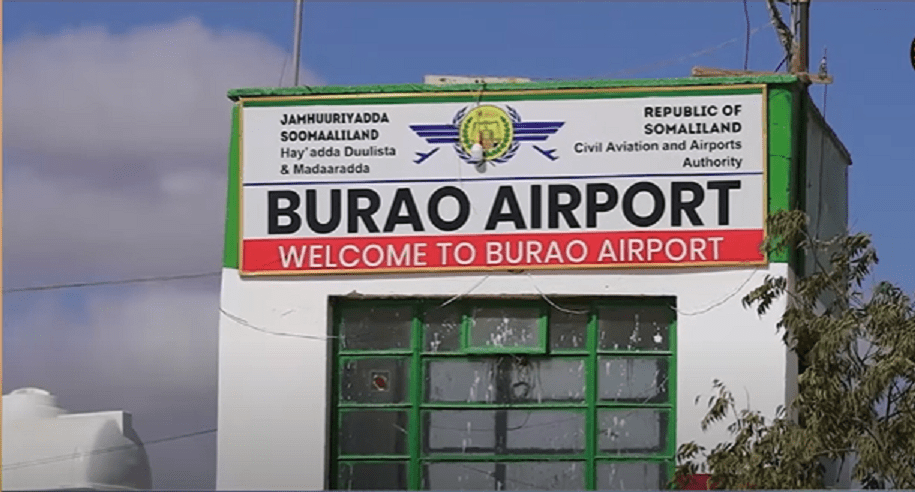
Beyond economic benefits, airports are also important strategic national assets. During emergencies such as droughts, natural disasters, or humanitarian crises, airports become critical centres for emergency response and aid delivery.
Because of Burao’s central location, a functioning airport would improve Somaliland’s ability to deliver humanitarian assistance quickly and efficiently across eastern and central regions. Medical evacuations, relief operations, and emergency transportation would all become easier and faster.
The airport could therefore play an important role not only in economic development but also in national emergency preparedness and humanitarian support.
Transparency and professional management
One of the most important lessons from previous failed projects is the need for transparency and professional management. The rebuilding of Burao Airport must be managed with clear financial oversight and regular public communication.
The government should provide updates regarding project costs, funding sources, construction timelines, contractor details, and progress reports. Open communication would help build public trust and ensure accountability throughout the project.
Professional planning and supervision are equally important. Large infrastructure projects require experienced aviation, engineering, and project management experts to ensure quality work and long-term sustainability.
https://mocaad.govsomaliland.org/article/burao-international-airport
Conclusion
The case for rebuilding Burao Airport is clear and urgent. Burao is Somaliland’s second-largest city, a major economic centre, and the birthplace of Somaliland’s restoration in 1991. Despite its importance, the city still lacks a functioning airport capable of supporting its growing population and economy.
Rebuilding the airport would improve connectivity, strengthen trade, create jobs, attract investment, support humanitarian operations, and improve the lives of hundreds of thousands of people in Togdheer and beyond.
More importantly, fulfilling the promise to rebuild the airport would strengthen public trust in government and demonstrate commitment to national development.
Infrastructure projects are not only about buildings and runways. They are about opportunity, progress, dignity, and national vision.
The people of Burao have waited long enough.
The time to rebuild Burao Airport is now.
Abdikarim Ali Baarjeeh
Aviation Consultant and Writer
abdikarimwais@gmail.com