Borama is one of the most important cities in Somaliland. With a population of around 200,000 people, the city plays a major role in trade, education, agriculture, livestock, and regional business. It is also known for its educational institutions, especially Amoud University, which has helped Borama become one of the leading centres of learning in Somaliland.
Table of Contents
Strategic location
Because of its strategic location near neighbouring countries such as Ethiopia and Djibouti, Borama has the potential to become an even stronger economic and transport hub in the future. Yet despite its importance, the city has long suffered from limited infrastructure investment. One of the clearest examples is the neglected Borama airfield.
Borama Airport
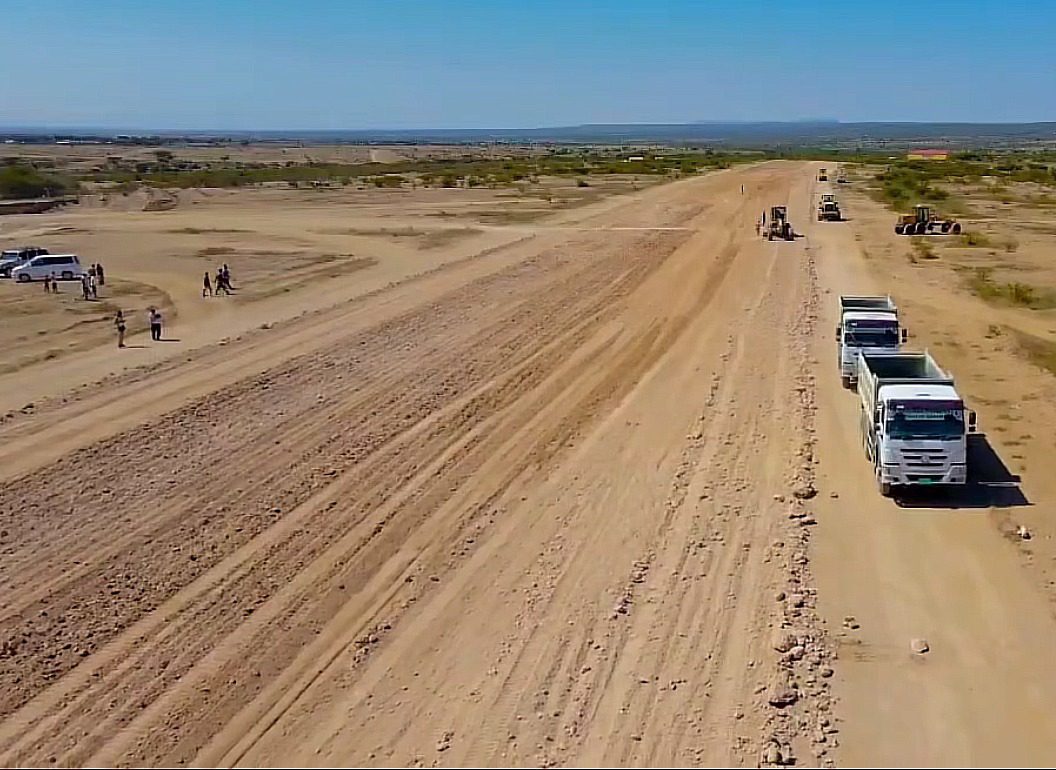
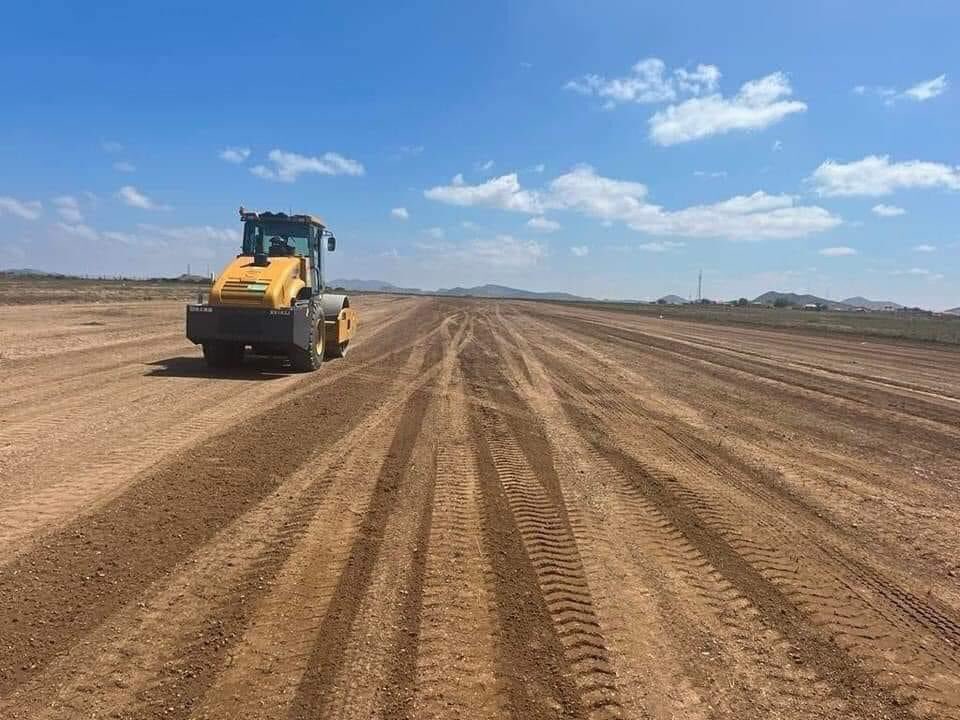
Borama already has a small unpaved airport (BXX/HCMB) that once handled light passenger aircraft and humanitarian operations. Over the years, however, the airport has been largely neglected and has become mostly non-operational. During the 2024 election campaign, the ruling Waddani Party promised to rebuild and upgrade Borama Airport. For many people in the Awdal region, this promise was not just about aviation. It was about development, recognition, equality, and trust.
Now that the party is in government, many citizens are waiting to see whether that promise will become reality.
Political promises
Political promises are important in every democratic society. During election campaigns, political parties ask citizens for support by presenting plans and commitments. Voters choose leaders because they believe those promises will improve their lives and communities. When governments fulfil their promises, public trust grows stronger. Citizens feel respected and valued. Confidence in both politicians and the political system increases.
However, when promises are ignored after elections, disappointment and mistrust begin to grow. People start to believe that politicians only make promises to gain power and later forget the communities that supported them. Over time, this weakens public confidence not only in a political party, but also in democracy itself.
This is why the future of Borama Airport has become politically important.
Awdal and Salal regions
For many residents in Awdal and Salal, rebuilding the airport has become a symbol of whether the government truly intends to honour its commitments. If the government moves forward with the project, it will send a strong message that election promises matter and that public trust is valued. But if the promise is abandoned, many citizens may feel politically ignored and discouraged.
Arguments against and for the Airport
At the same time, there are genuine debates about whether Borama needs a fully upgraded airport at this stage of Somaliland’s development. Some people argue that the project may not be financially practical at the moment. One major reason is Borama’s proximity to Hargeisa Egal International Airport, which is only about 90 minutes away by road. Since Hargeisa already provides domestic and international air services, critics question whether another airport nearby is necessary.
Others point to economic realities. Airports are expensive to build and maintain. They require runway construction, safety systems, security services, firefighting equipment, terminal facilities, and trained staff. After construction, operational costs continue every year. Some therefore believe that the same funds could instead be used for roads, healthcare, schools, water systems, and job creation projects that may benefit a larger part of the population.
There are also concerns about passenger demand. Like many parts of Somaliland, Borama has a large youth population facing unemployment and economic hardship. Many residents may not be financially able to travel regularly by air. International travel demand may also remain limited because many citizens do not possess passports or frequently travel abroad.
These concerns are reasonable and should not be ignored. Governments must always balance ambition with financial reality. Infrastructure projects should be properly planned and economically sustainable.
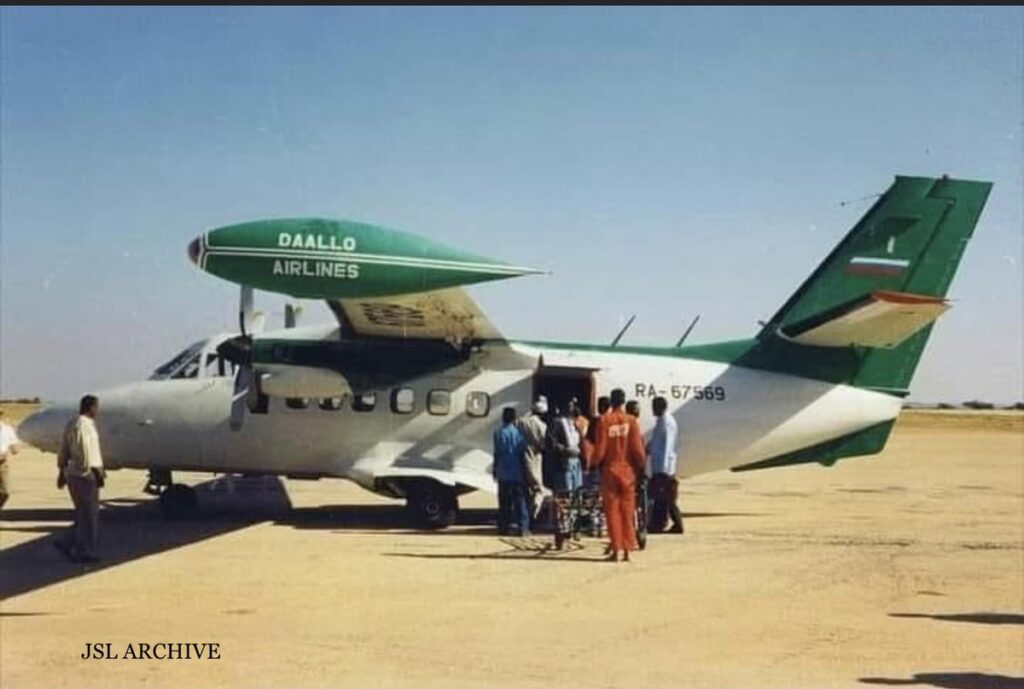
However, despite these concerns, there are also strong reasons why rebuilding Borama Airport could bring important long-term benefits to the region and Somaliland as a whole.
Infrastructure is not only about immediate profit. It is also about preparing for future growth and creating opportunities that may not exist today. Many successful cities around the world developed because governments invested in infrastructure before demand fully emerged.
An upgraded Borama Airport could create jobs during both construction and operation. Engineers, contractors, drivers, technicians, maintenance workers, security staff, cleaners, and airport personnel would all be needed. In addition, surrounding businesses such as hotels, restaurants, transport companies, and shops could benefit from increased activity around the airport.
Better air connectivity could also strengthen Borama’s trade and economic links with neighbouring countries. Because of its location near Ethiopia, Borama could eventually play a larger role in regional commerce and movement of goods. Faster transportation can help businesses, investors, humanitarian organizations, and traders operate more efficiently.
The airport could also improve convenience for residents. Although Borama is relatively close to Hargeisa, road travel is not always easy. Elderly people, sick passengers, families with children, business travellers, and emergency cases may all benefit from quicker local air access. During poor weather or difficult road conditions, having an operational airport can become especially important.
Beyond economics, airports also carry symbolic importance. They represent inclusion, recognition, and national development. For many people in Awdal region, rebuilding Borama Airport would show that their region matters and that development is not limited only to other major cities. Infrastructure projects often create a sense of pride and belonging among local communities.
The airport could also serve humanitarian and emergency purposes. During droughts, natural disasters, medical emergencies, or humanitarian crises, airports allow faster delivery of aid and emergency services. A functional airport in Borama would improve regional preparedness and response capacity.
Most importantly, rebuilding Borama Airport would help strengthen public trust in governance.
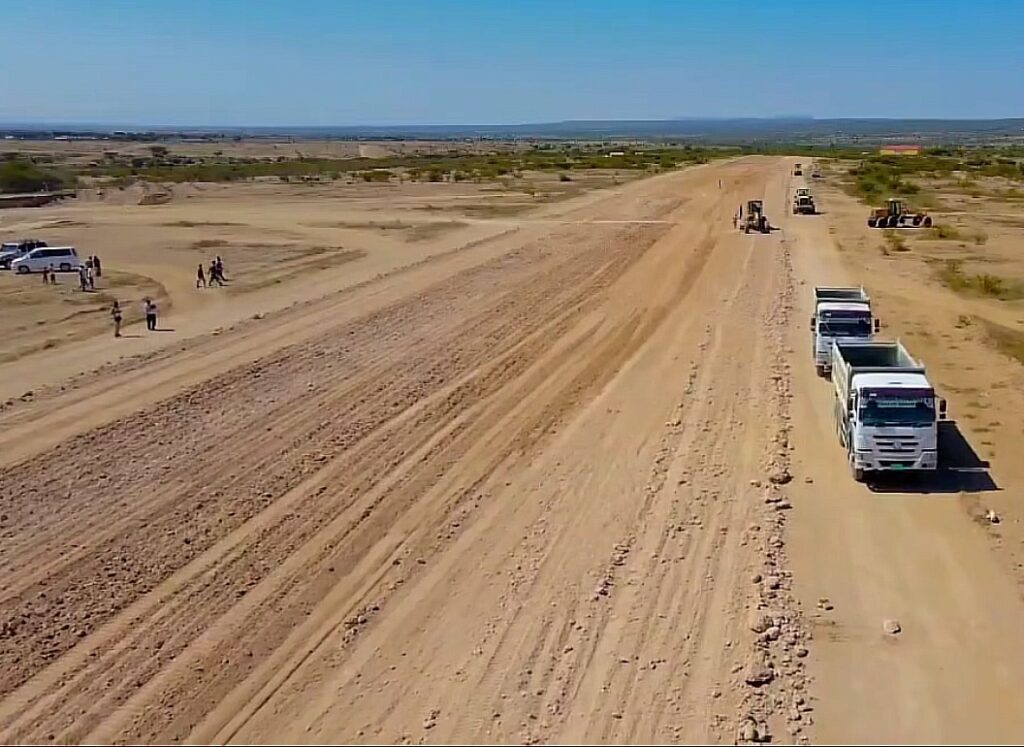
Citizens are more understandable
Citizens generally understand that governments face financial and administrative challenges. Most people do not expect every campaign promise to be completed immediately. However, they do expect seriousness, commitment, and visible effort. Even beginning the project in phases would demonstrate political sincerity.
The government does not necessarily need to build a large international airport immediately. A more realistic approach could involve gradual development. The existing runway could first be rehabilitated and basic airport services restored. Domestic and humanitarian operations could begin on a limited scale while future expansion is planned according to demand and available resources.
Such a phased approach would reduce financial pressure while still fulfilling the core promise made during the election campaign.
This issue is therefore larger than aviation alone. It is about leadership, credibility, and the relationship between citizens and government. Trust is one of the most valuable assets any government can have. Once public trust is lost, rebuilding it becomes extremely difficult.
Promises after elections
In many countries, governments lose support not only because of economic hardship, but because people feel forgotten after elections. Citizens become discouraged when promises disappear once political power is achieved. This often creates political apathy, low public confidence, and frustration among young people.
For the current government of Somaliland, Borama Airport presents an important opportunity to demonstrate that promises made during campaigns are not merely political slogans. Fulfilling the commitment would strengthen confidence among the people of Awdal region and improve the government’s political credibility nationwide.
It would also send a positive message about Somaliland’s democratic maturity. Democracies become stronger when elected leaders remain accountable to the commitments they make before elections. Keeping promises builds confidence in institutions, elections, and governance itself.

Borama Airport project
The debate about Borama Airport will continue, and reasonable people may disagree about timing, cost, or priorities. But one fact remains clear: the project has become a symbol of trust between the government and the people.
Rebuilding Borama Airport in a practical and carefully planned manner would not only improve connectivity and create economic opportunities. It would also prove that political promises still carry meaning and that public trust is respected.
For that reason, the government of Somaliland should move forward with the rebuilding and upgrading of Borama Airport. Doing so would benefit not only Borama and the Awdal and Salal regions, but also the credibility of Somaliland’s democratic system itself.
https://mocaad.govsomaliland.org/article/borama-airport
Abdikarim Ali Baarjeeh
Aviation Consultant and Writer
abdikarimwais@gmail.com